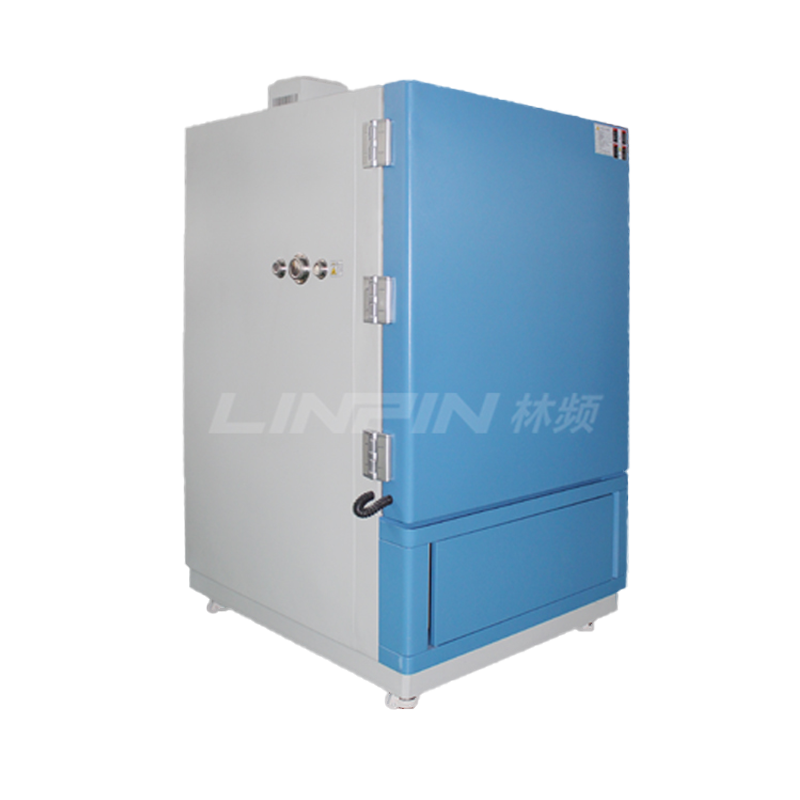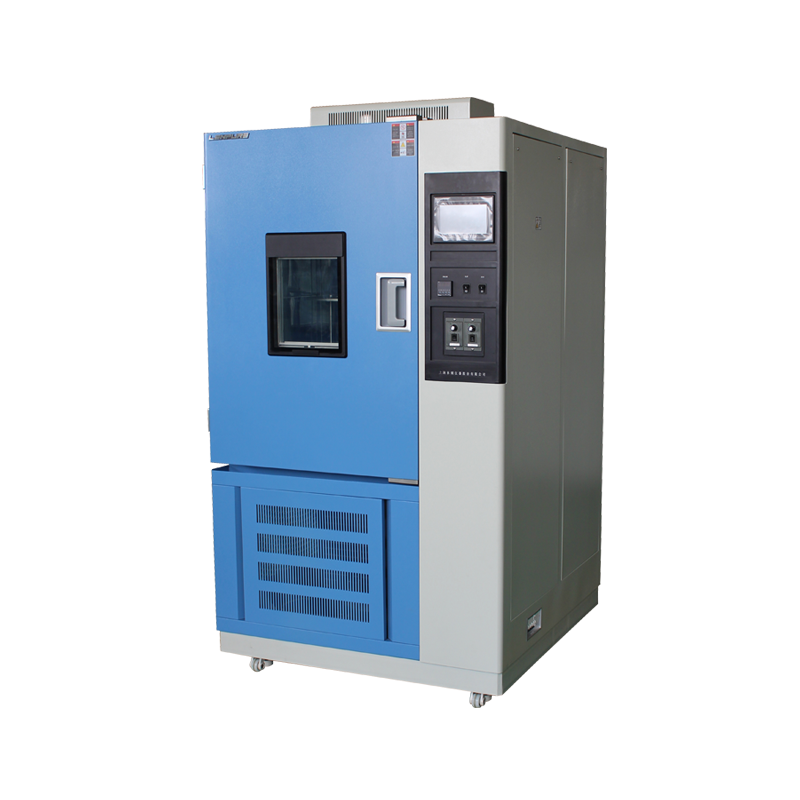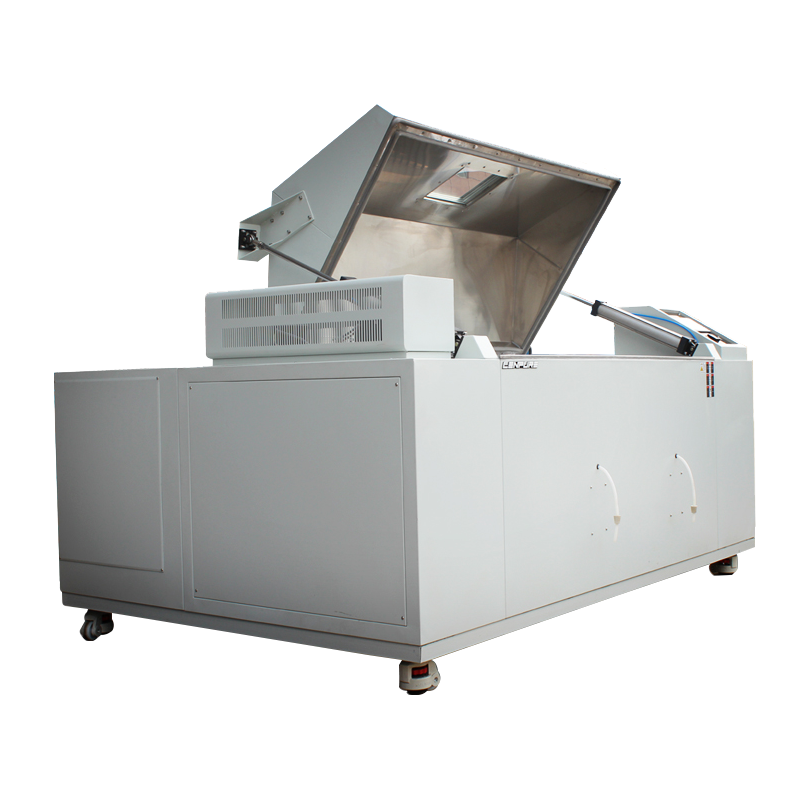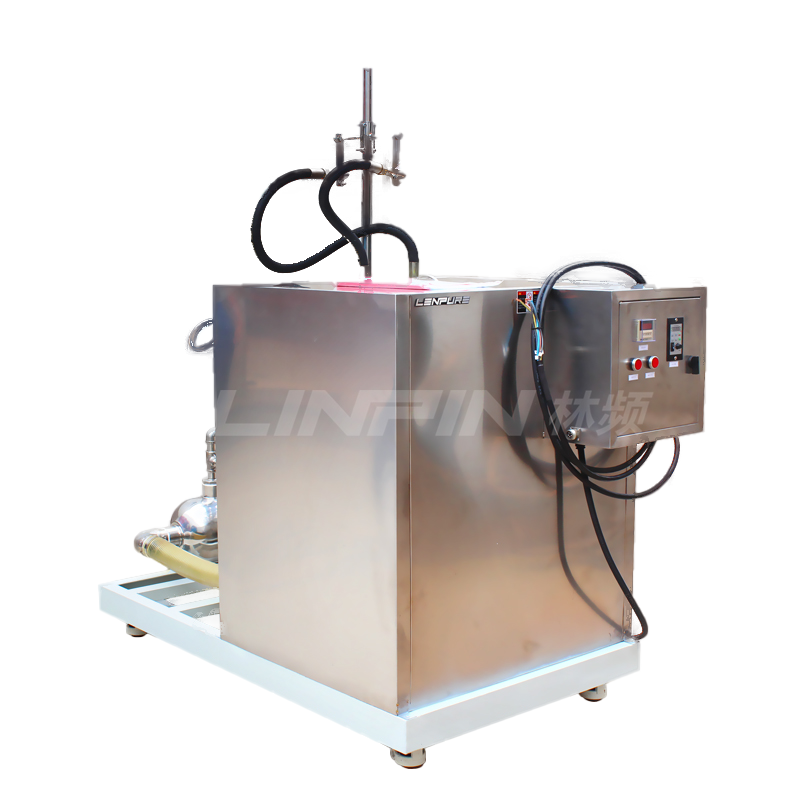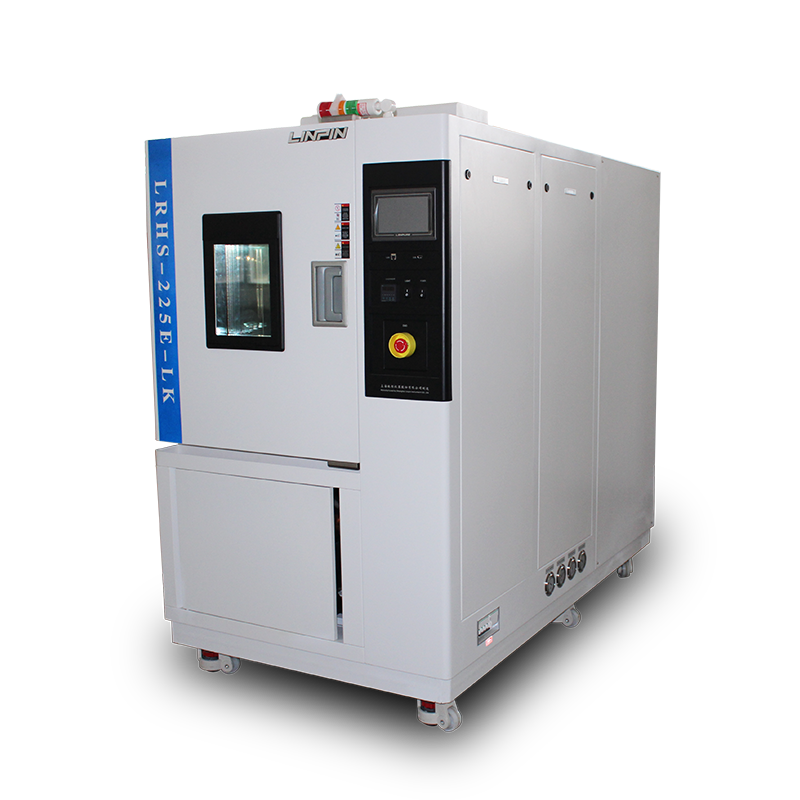






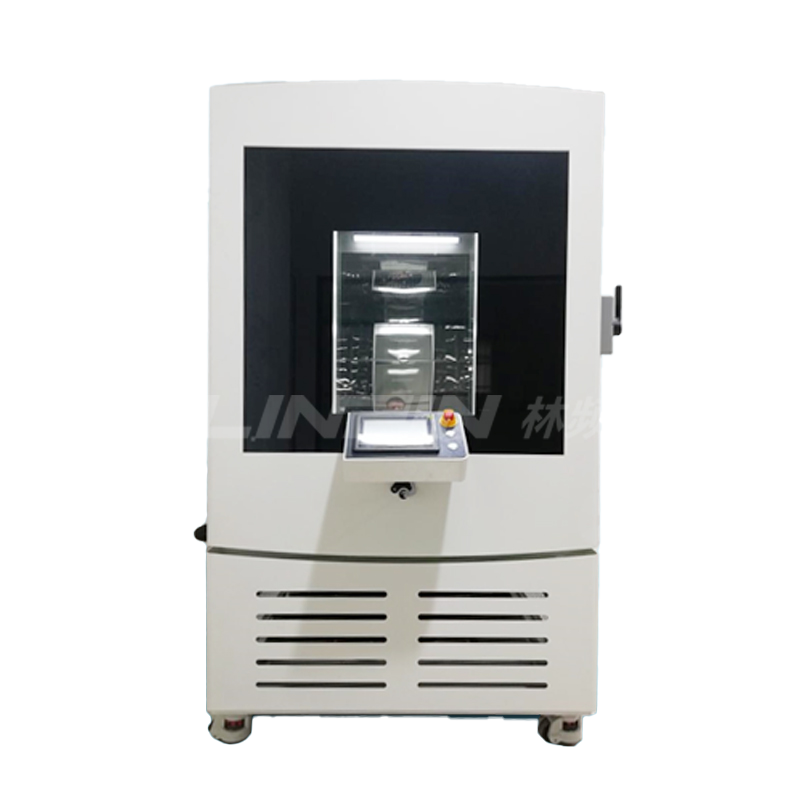
A formaldehyde/VOC environmental test chamber consists of a chamber body and various components, all of which play critical roles in the operation of the equipment. Over prolonged use, components may wear out and require maintenance or replacement if severely degraded. But how often should these parts be replaced?
In reality, there is no fixed schedule for replacing components in a formaldehyde/VOC environmental test chamber. Generally, if the parts are still functional and show no signs of aging or damage, replacement is unnecessary. However, components should be replaced under the following circumstances:
Functional but Affecting Performance – If a component appears intact but significantly impacts the chamber’s operation or the accuracy of test results, it should be inspected. If confirmed as the cause, it must be replaced.
Visible Damage – If inspection reveals deformations, cracks, or other physical damage to a component, immediate repair or replacement is required. Replacement should be performed by qualified technicians.
Emergency Situations – In cases of severe incidents (e.g., fire), where the equipment sustains major damage, all affected components must be replaced.
Routine Maintenance Findings – If damage is detected during regular maintenance, the faulty part should be replaced promptly.
A formaldehyde/VOC environmental test chamber relies on its components for stable operation, so timely replacement of defective parts is essential. The exact replacement interval depends on the actual condition of the equipment. Users should conduct regular inspections and maintenance to identify and address component issues early.
As an environmental testing equipment manufacturer, we conduct periodic follow-ups with our clients to assess equipment performance and provide technical support. If any component malfunctions, customers can contact our after-sales team immediately, and our technicians will respond promptly to resolve the issue.




Copyright © 2025 Shanghai Linpin Instrument Co., Ltd Copyright
| ICP Number:Shanghai ICP Record No. 12029585-7
| Sitemap






 EN
EN
 中文
中文 Pусский
 Tiếng Việt
 ภาษาไทย
 پاکستانی زبان