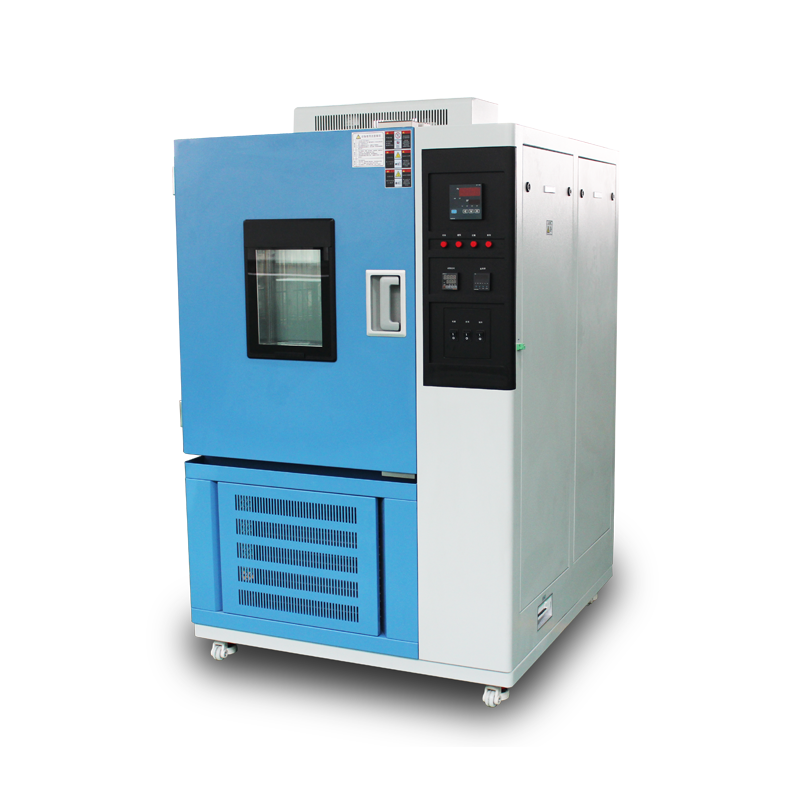
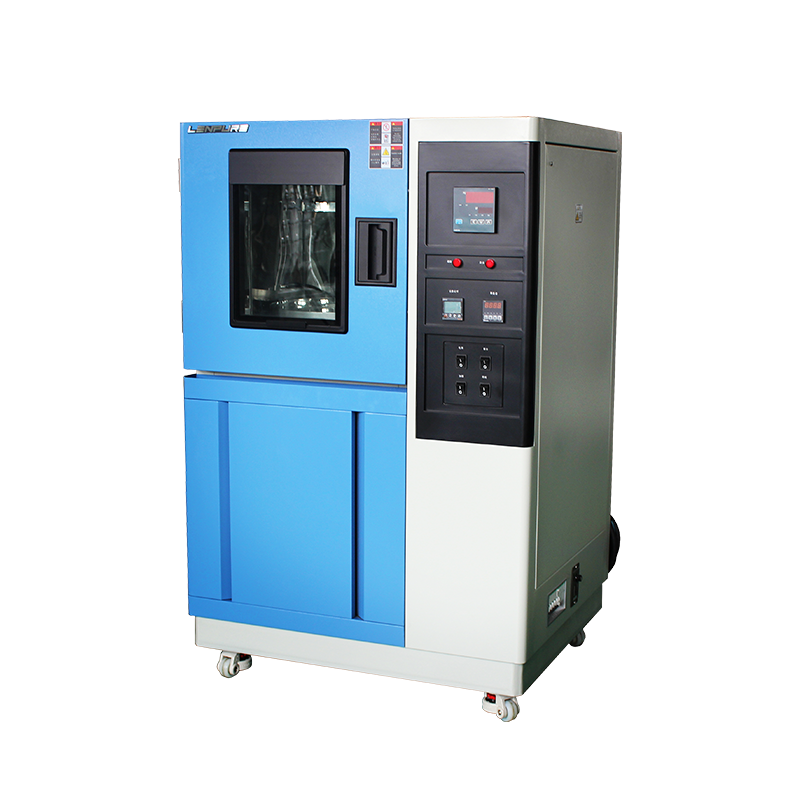
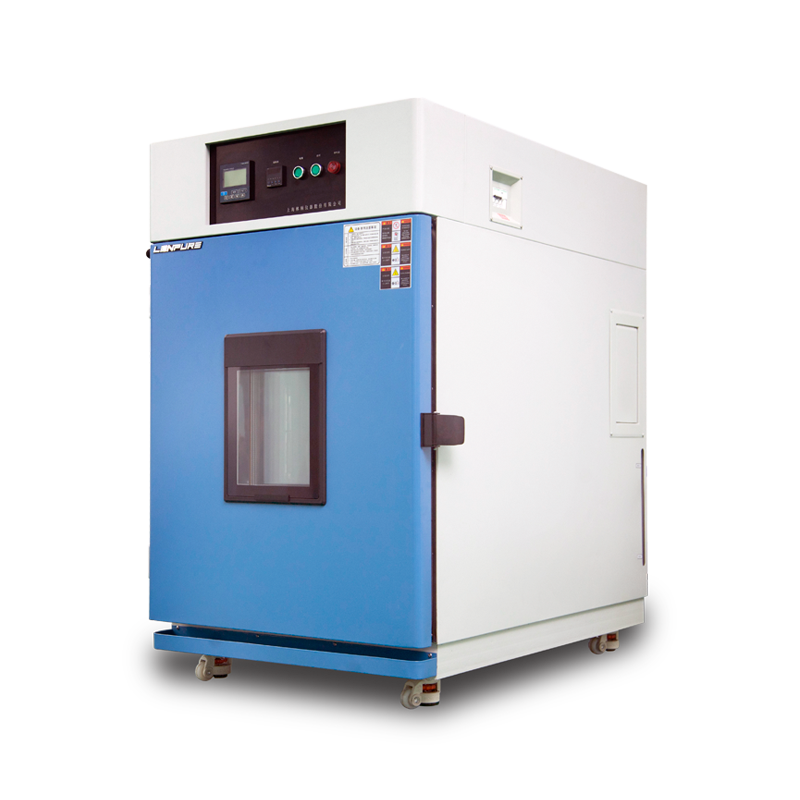
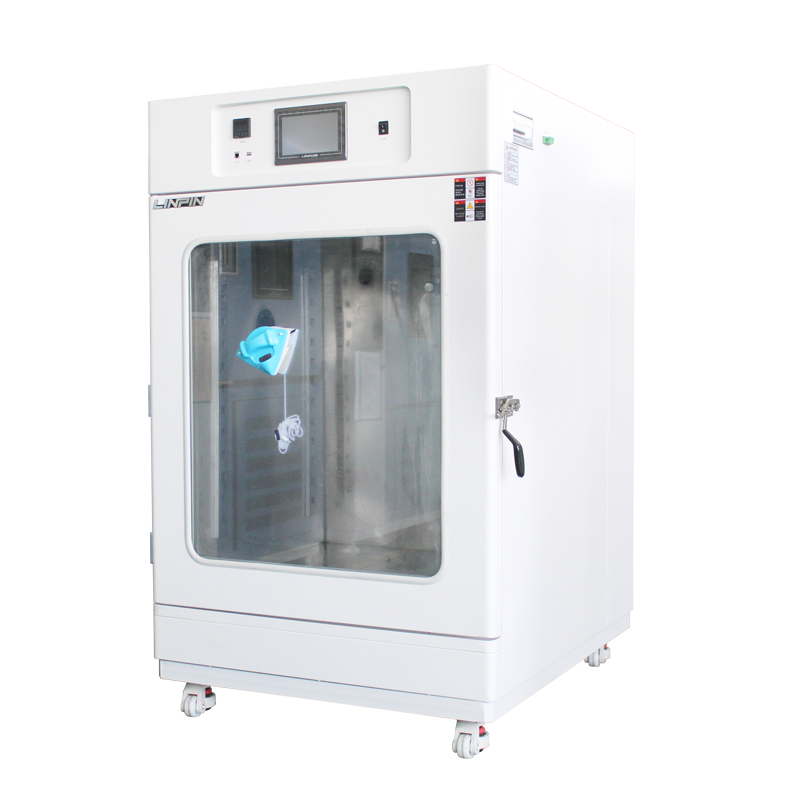
The temperature test chamber is a widely used testing equipment in industrial enterprises. If your company has newly purchased a temperature test chamber, you must understand the precautions during its operation to avoid deviations in test results or equipment damage caused by improper usage.
An aging test chamber does not refer to a single device but encompasses various testing methods, including xenon lamp aging tests, UV aging tests, high-temperature aging tests, air-exchange aging tests, and salt spray corrosion aging tests.
When purchasing a temperature cycling test chamber, customers must weigh multiple factors, including price, quality, accuracy, and efficiency. Among these, the debate between prioritizing price or quality is particularly common.
In the field of environmental reliability testing, thermal shock test chambers are widely used to evaluate the adaptability and lifetime degradation of electronic components, materials, and complete products under rapid and extreme temperature transients.
We value your privacy We use cookies to enhance your browsing experience, serve personalized ads or content, and analyze our traffic. By clicking "Accept Essential Cookies", you consent to our use of cookies.






















 EN
EN
 中文
中文 Pусский
 Tiếng Việt
 ภาษาไทย
 پاکستانی زبان