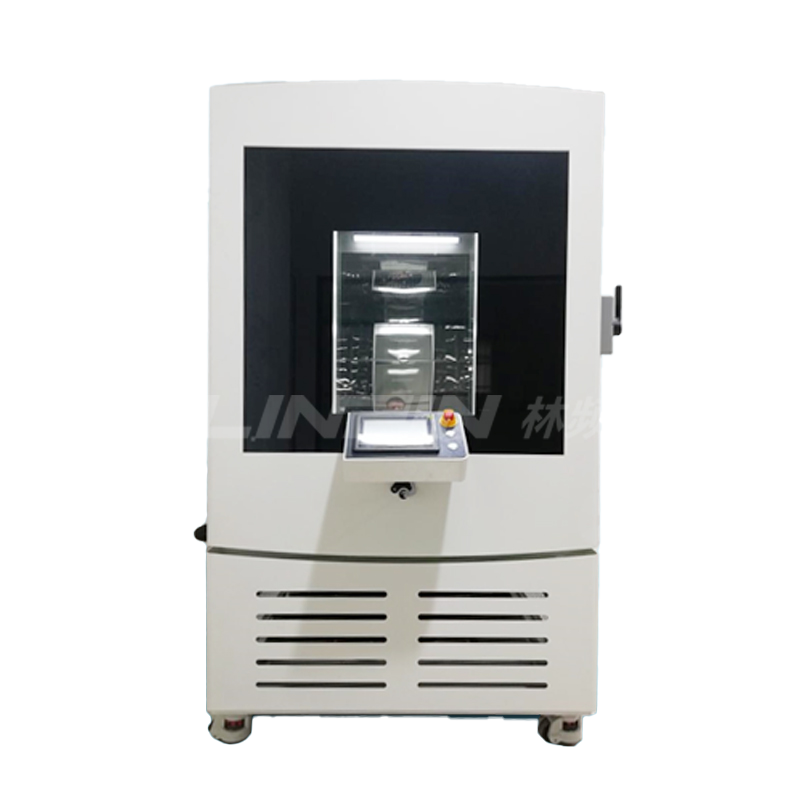
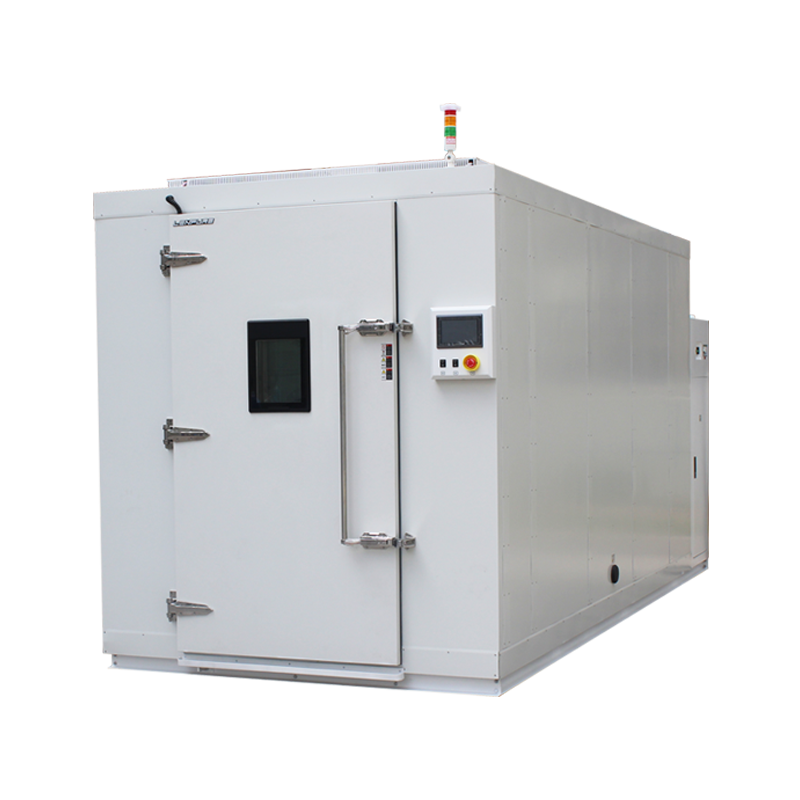
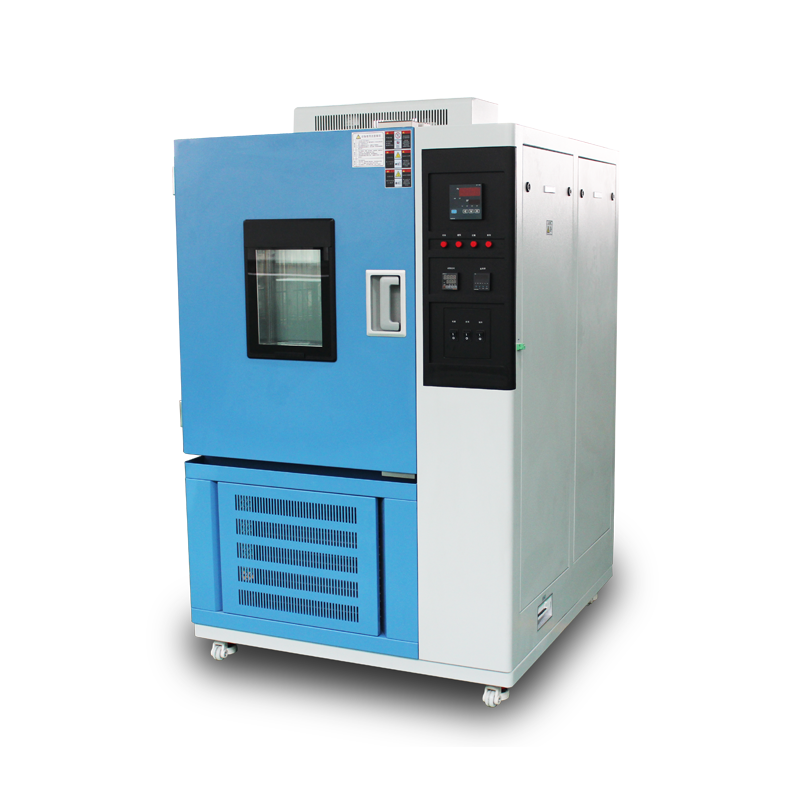
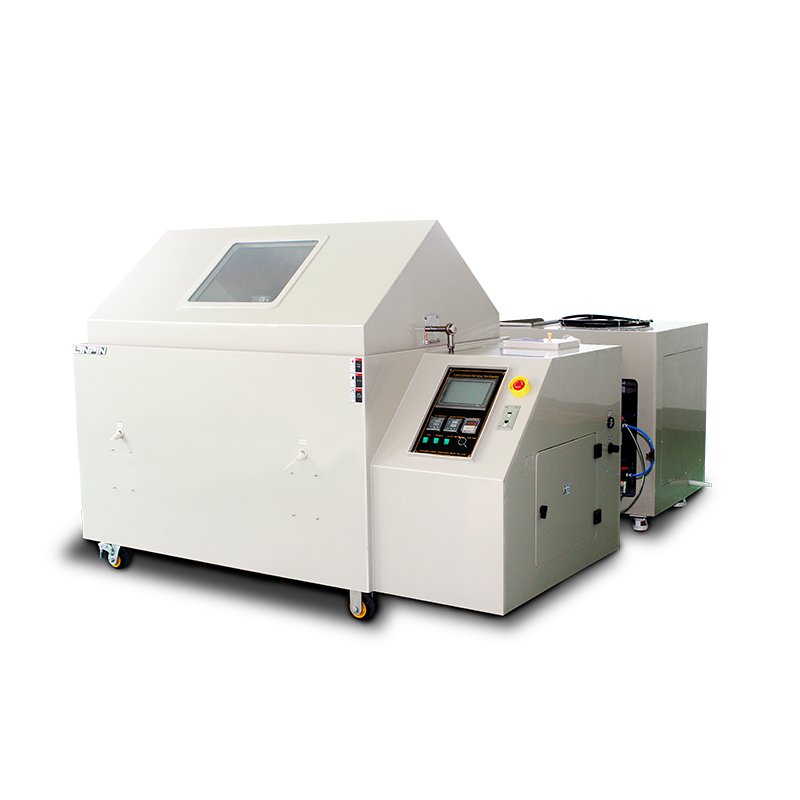
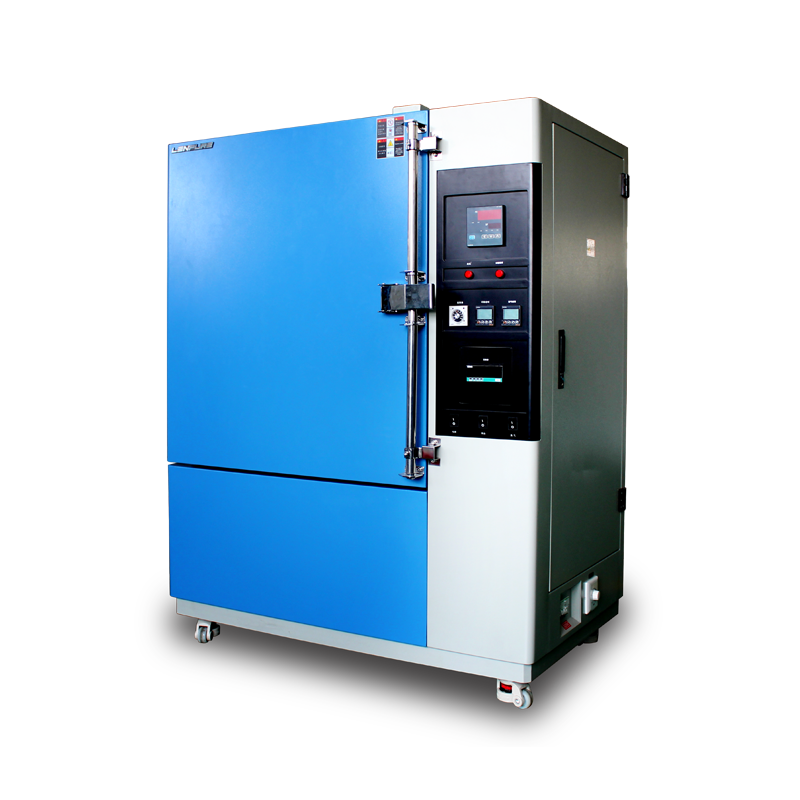
The cold and hot shock test chamber, also known as the high and low temperature shock test chamber, is primarily used to examine the changes in the performance of materials or products when they are subjected to alternating high and low temperatures in a short period of time. This type of equipment is widely used in industries such as electronics, electrical, automotive, aerospace, rubber, plastics, and metals, and is of great importance for the reliability testing of products.

I. Types of Cold and Hot Shock Test Chambers
Cold and hot shock test chambers are mainly divided into two types: two-box and three-box.
Two-box Cold and Hot Shock Chamber: This type consists of two sections: a high-temperature zone and a low-temperature zone. The test samples are moved back and forth between these two zones via a lifting basket to achieve the effect of thermal shock.
Three-box Cold and Hot Shock Chamber: This type is composed of three layers. The upper and lower layers are the high-temperature and low-temperature zones, respectively, while the middle layer is used to place the test samples. During the test, the samples remain stationary. By adjusting the valves that control the flow of gas, temperature shocks can be completed between the high-temperature zone, low-temperature zone, and the middle ambient temperature zone.
II. Applications of Cold and Hot Shock Test Chambers
Electronics and Electrical Industry: Used to test the performance of electronic components, printed circuit boards, automated components, communication modules, BGA, PCB substrates, and integrated circuits (ICs) under high and low-temperature conditions.
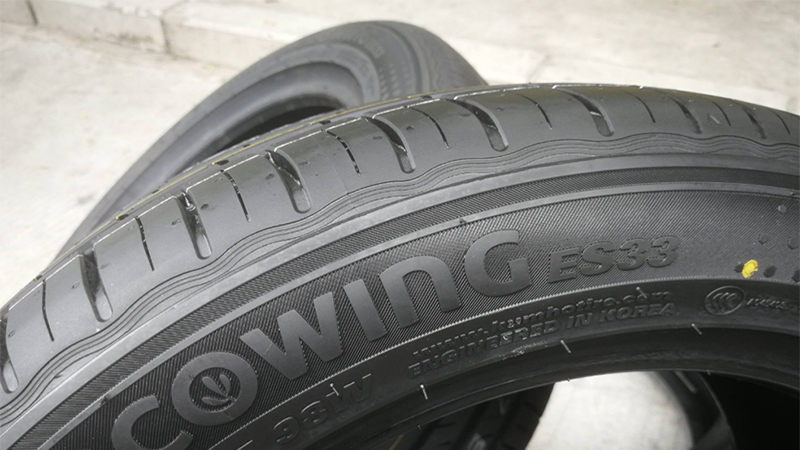
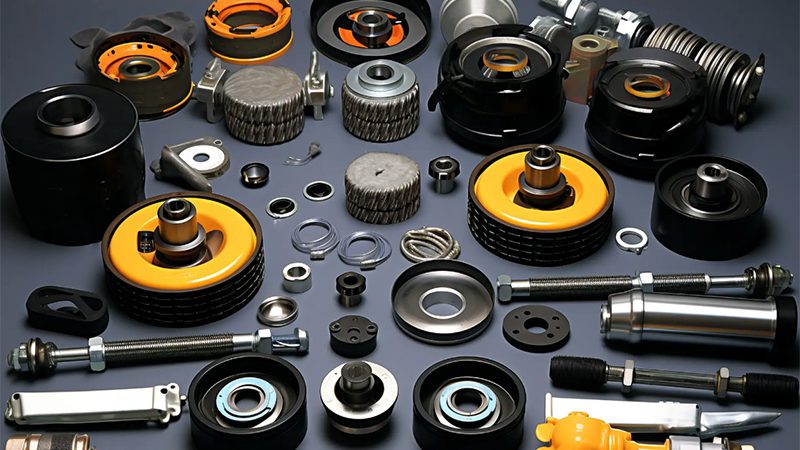
Automotive Industry: Used to test the durability of automotive parts (such as engines, tires, etc.) under extreme temperatures.
Aerospace Industry: Used to simulate the temperature fluctuations in space environments to test the materials and structures of spacecraft.
Rubber and Plastics Industry: Used to inspect the physical and chemical properties of rubber and plastic products when subjected to temperature changes.
Defense and Military Industry: Used to test the performance and reliability of military equipment and weapon systems under extreme temperature conditions.
Chemical and Materials Industry: Used to test the changes in the physical and chemical properties of chemical materials, metals, semiconductors, ceramics, and polymers under alternating high and low temperatures.
In addition, cold and hot shock test chambers are also applicable to other industries such as building materials, where they can be used to test the tolerance of various materials to rapid temperature changes. The wide range of application areas highlights the importance of cold and hot shock test chambers in material science, product development, and quality control.


25.09





Copyright © 2025 Shanghai Linpin Instrument Co., Ltd Copyright
| ICP Number:Shanghai ICP Record No. 12029585-7
| Sitemap






 EN
EN
 中文
中文 Pусский
 Tiếng Việt
 ภาษาไทย
 پاکستانی زبان