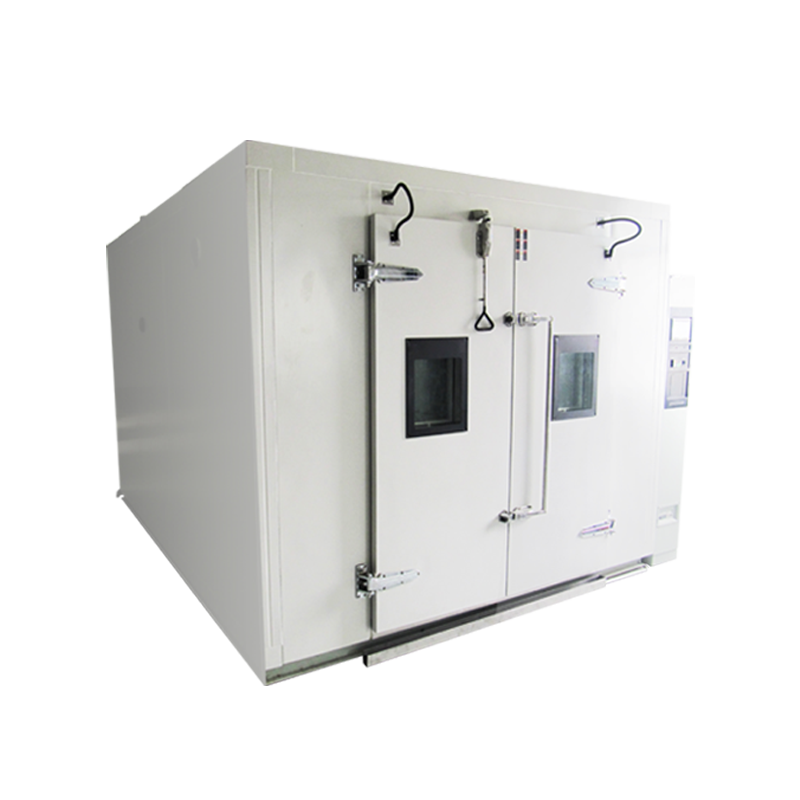
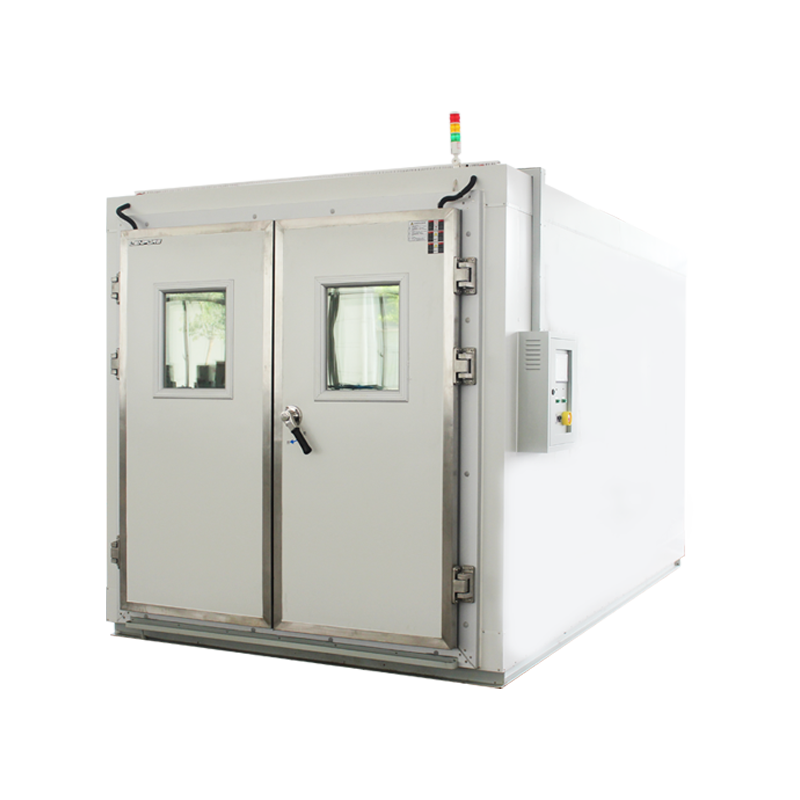
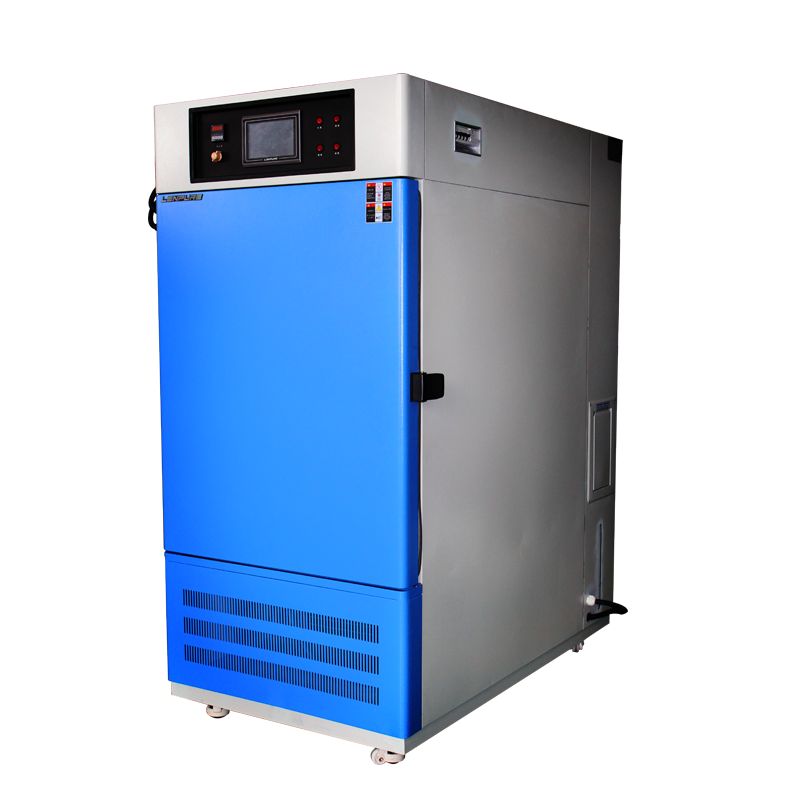
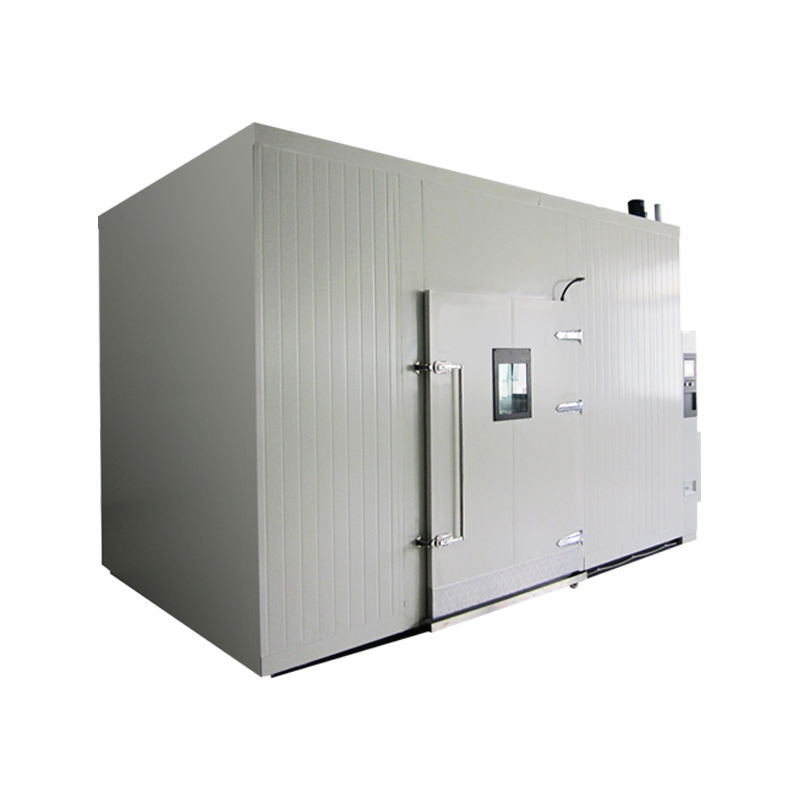
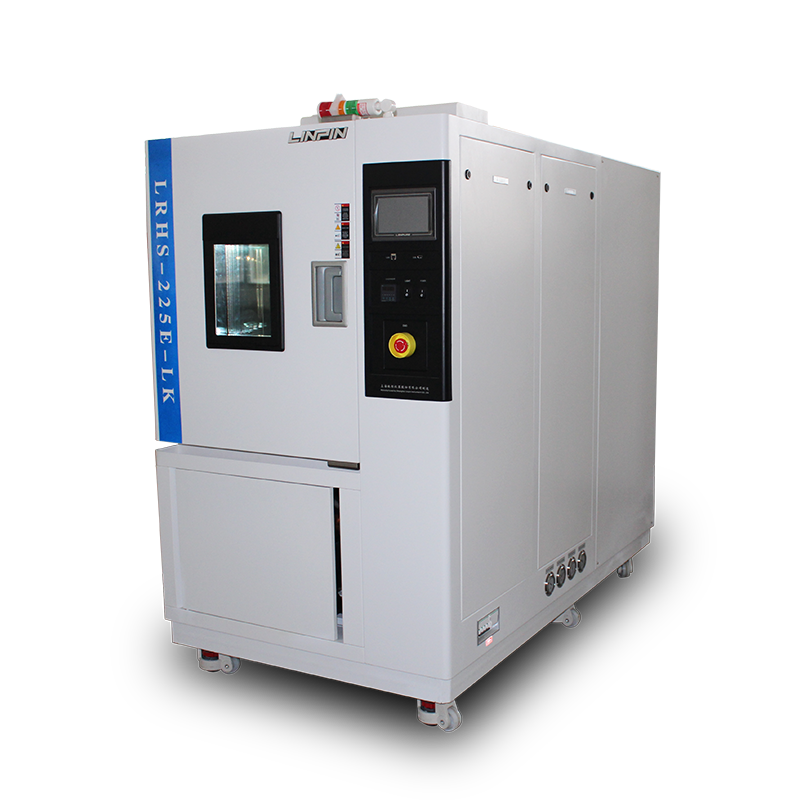
What kind of refrigeration system does the 2021 thermal shock test chamber use?
The latest testing equipment has undergone continuous technological breakthroughs and innovations in its refrigeration system. So, what is the new configuration of this thermal shock test chamber’s refrigeration system?

2021 Refrigeration System Configuration of Thermal Shock Test Chambers
The refrigeration system consists of:
Compressor
The compressor is a fundamental component of the high-low temperature test chamber.
Different types of compressors are available based on temperature requirements:
Low-temperature compressors: -45°C to -20°C
Medium-temperature compressors: -20°C to -10°C
High-temperature compressors: -10°C to +10°C
To meet rapid cooling and ultra-low temperature demands, modern systems typically use a two-stage cascade refrigeration system, composed of fully sealed compressors.
Condenser
A heat exchange device that cools the refrigerant vapor from the compressor using ambient air.
It condenses high-pressure refrigerant vapor into a high-pressure liquid state while maintaining constant pressure.
Refrigerant
R-404A is commonly used for high-temperature cycles.
R23 is preferred for low-temperature cycles due to its eco-friendly properties (ozone-friendly).
Auxiliary Components
Includes filters, pressure controllers, expansion valves, solenoid valves, oil separators, and other refrigeration accessories.
Conclusion
The above components form the core refrigeration system of modern thermal shock test chambers. The stability of this system directly affects the reliability of test results, making it a critical aspect of the equipment. Proper selection and maintenance of these components ensure optimal performance.
For more details on high-low temperature testing solutions, stay tuned for further updates!
25.12







Copyright © 2025 Shanghai Linpin Instrument Co., Ltd Copyright
| ICP Number:Shanghai ICP Record No. 12029585-7
| Sitemap






 EN
EN
 中文
中文 Pусский
 Tiếng Việt
 ภาษาไทย
 پاکستانی زبان