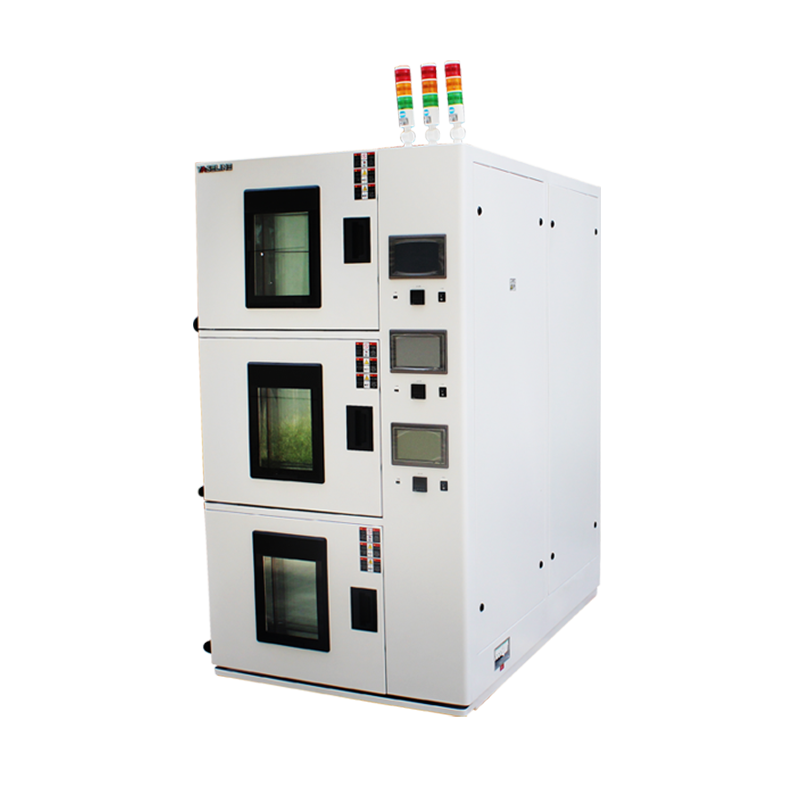
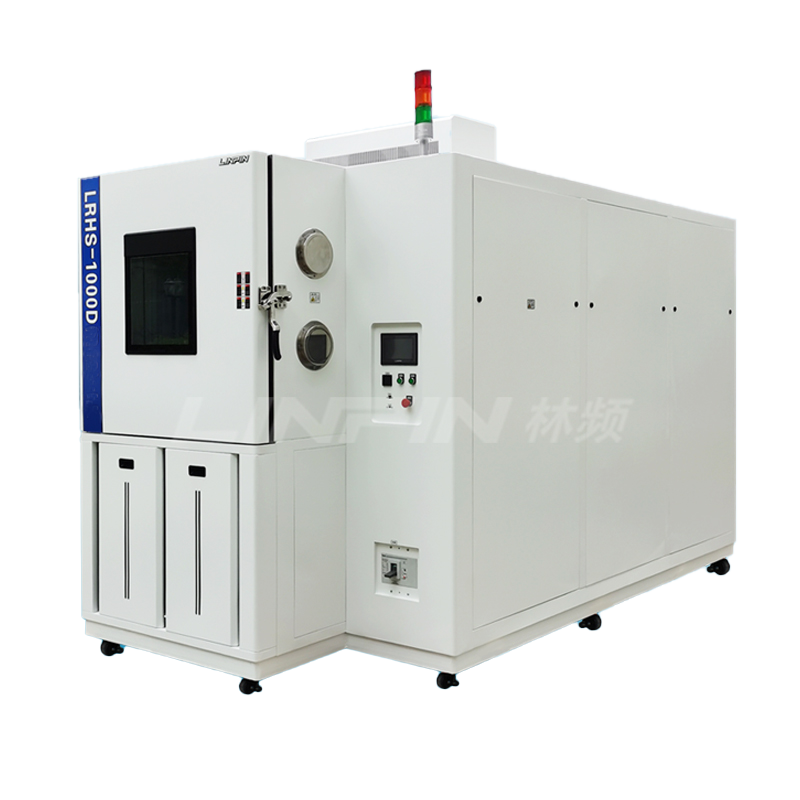
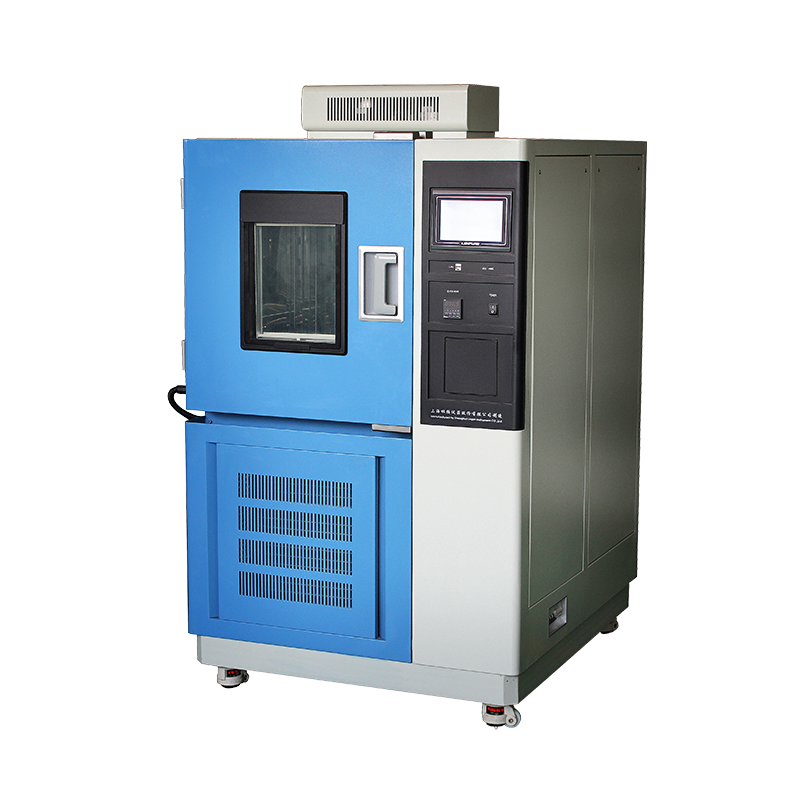
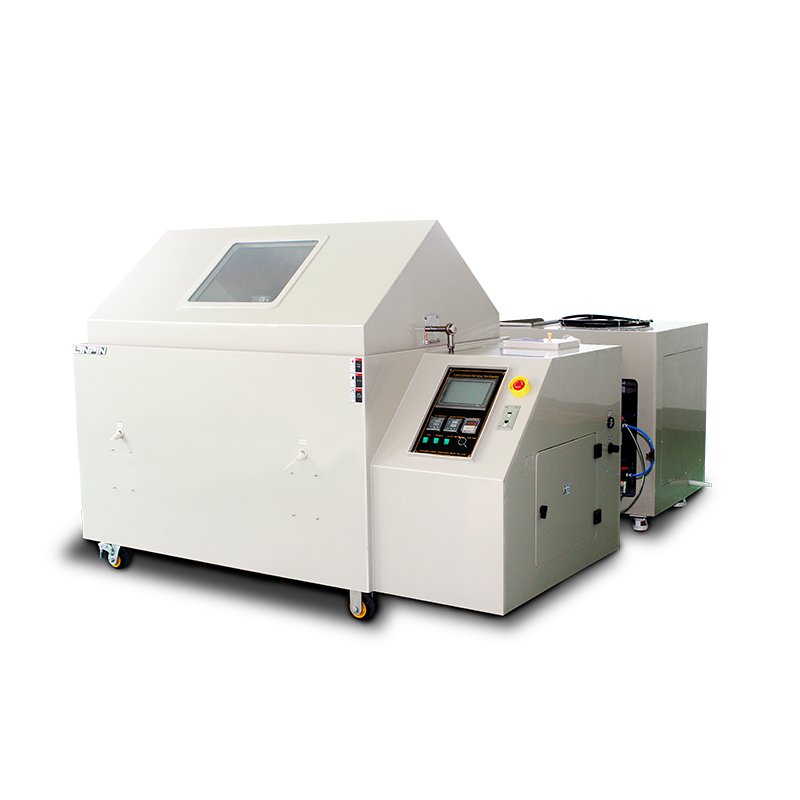
During the operation of a temperature and humidity test chamber, some abnormal situations may occur, such as excessive overheating of the condenser tube. How should we handle such situations?
If the condenser tube of the temperature and humidity test chamber is found to be overheating, we should first identify the cause and then take appropriate measures. The main reasons for condenser tube overheating include:
Whether the equipment is placed too close to a wall.
Whether the ambient temperature is too high.
Whether there is poor air circulation.
Whether there is dust or oil clogging on the condenser.
Whether there is a blockage in the dryer filter or capillary tube.
These issues can reduce the condenser’s heat dissipation performance, preventing it from effectively releasing surface heat, thereby increasing the condensation temperature of the refrigerant and the heat on the tube walls.

To address these causes, the following methods can be used:
For external factors such as the surrounding environment:
Place the test equipment in an environment with an air temperature between 15°C and 25°C.
Ensure the equipment is positioned at least 10 cm away from walls and that there is sufficient air circulation around it.
If the overheating is caused by dust or dirt on the condenser:
Use a feather duster to gently remove the dust.
If there is a significant buildup of oil or grime, wipe it carefully with a soft cloth soaked in carbon tetrachloride. Avoid applying excessive force to prevent bending the condenser tubes or solder plates (wires).
When cleaning welded or stamped areas, avoid using sharp tools to scrape off dirt, as this may damage the components.
If the issue is due to a partial blockage:
Clear the blockage promptly by removing the obstructing material.
When dealing with abnormal overheating of the condenser tube in a temperature and humidity test chamber, we can adopt different solutions based on the specific cause. It is crucial to address such issues promptly, as neglecting them may lead to more severe consequences, such as equipment failure or interruption of tests. Therefore, any abnormal problems with the equipment should be taken seriously.
「tokens: 472, speed: 8.26 tokens/s」


25.03







Copyright © 2025 Shanghai Linpin Instrument Co., Ltd Copyright
| ICP Number:Shanghai ICP Record No. 12029585-7
| Sitemap






 EN
EN
 中文
中文 Pусский
 Tiếng Việt
 ภาษาไทย
 پاکستانی زبان