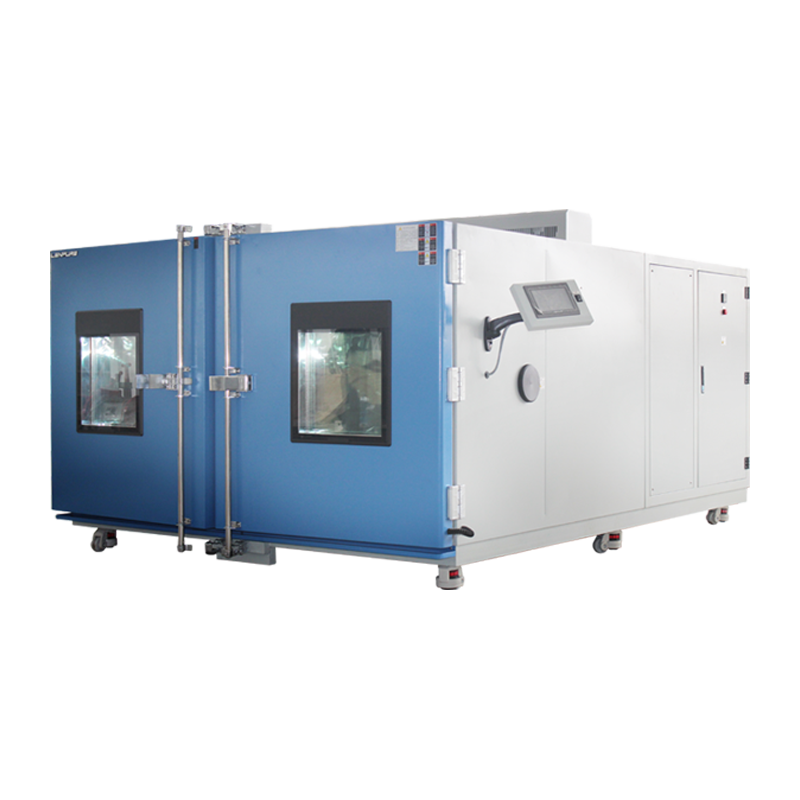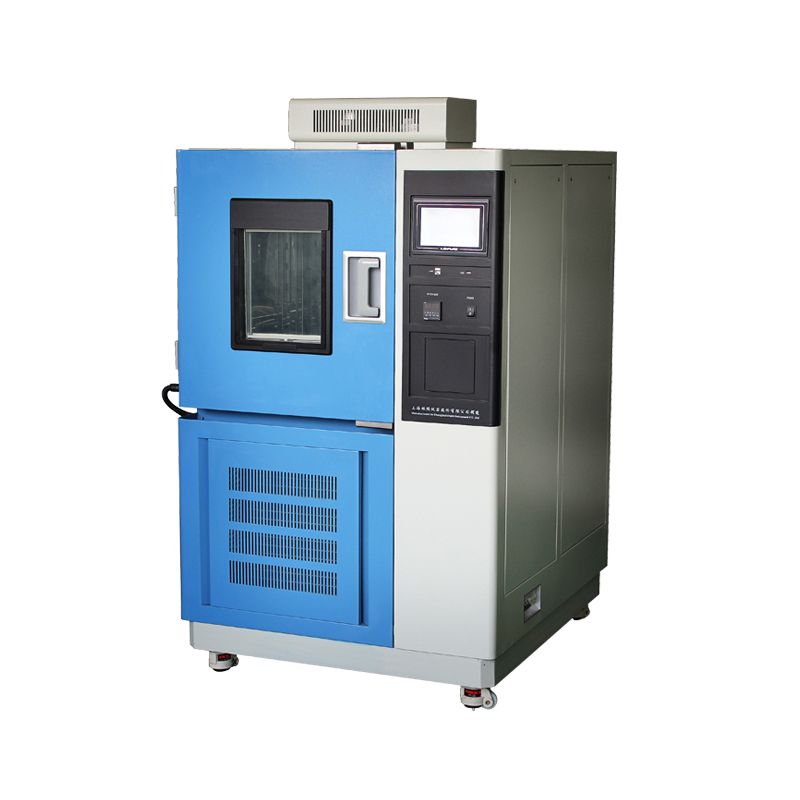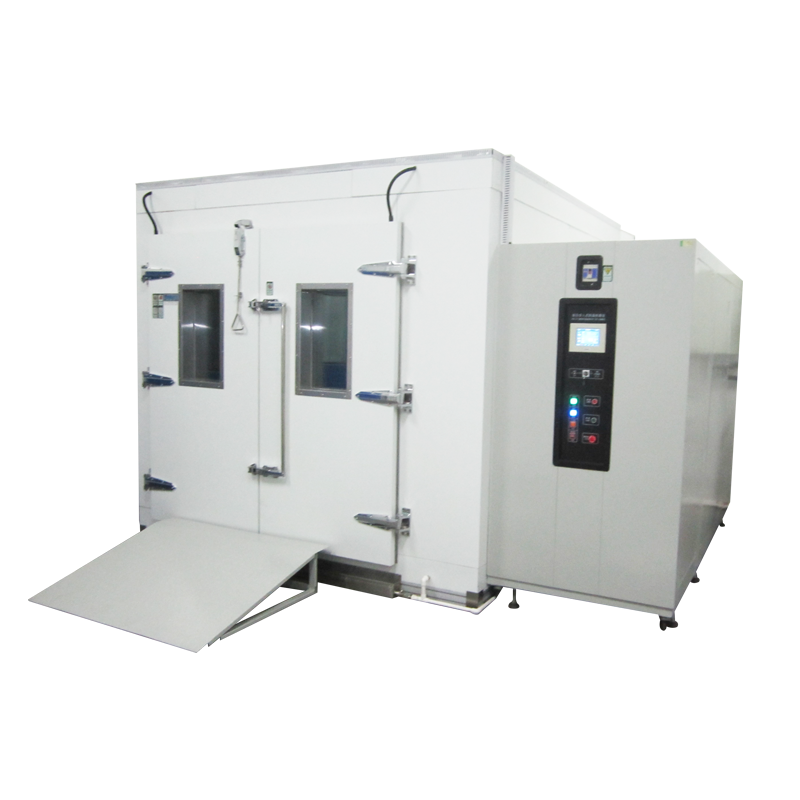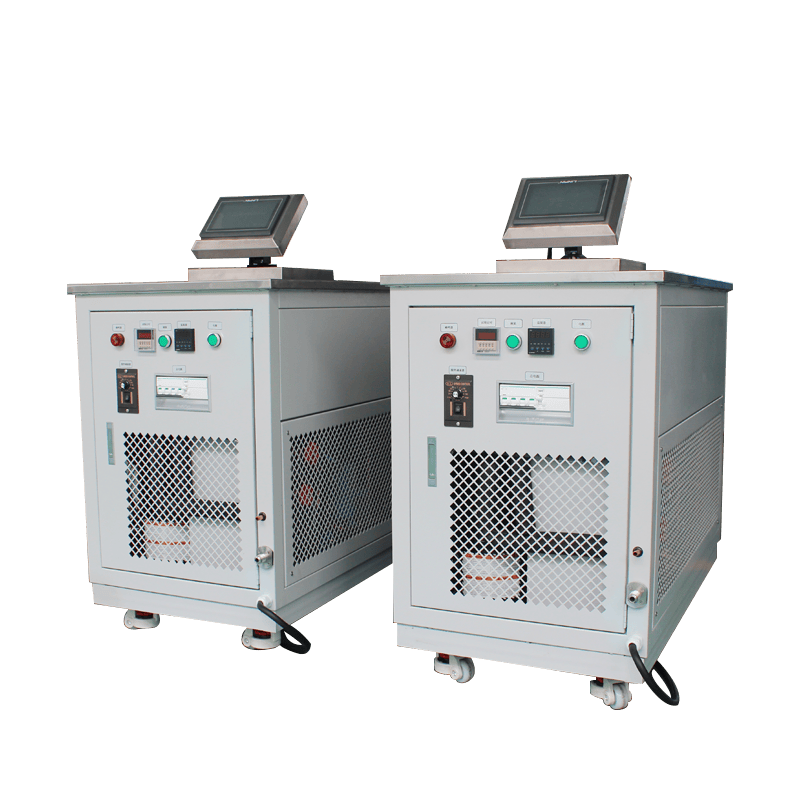




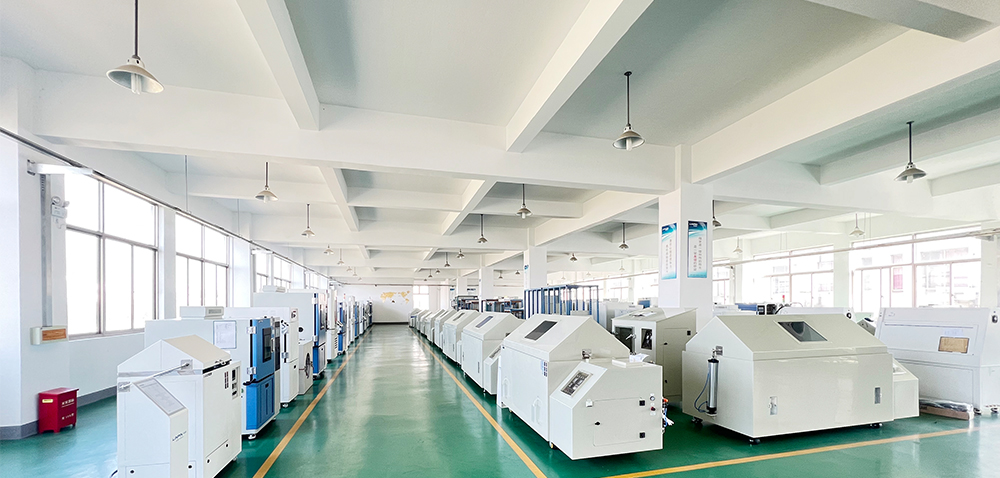


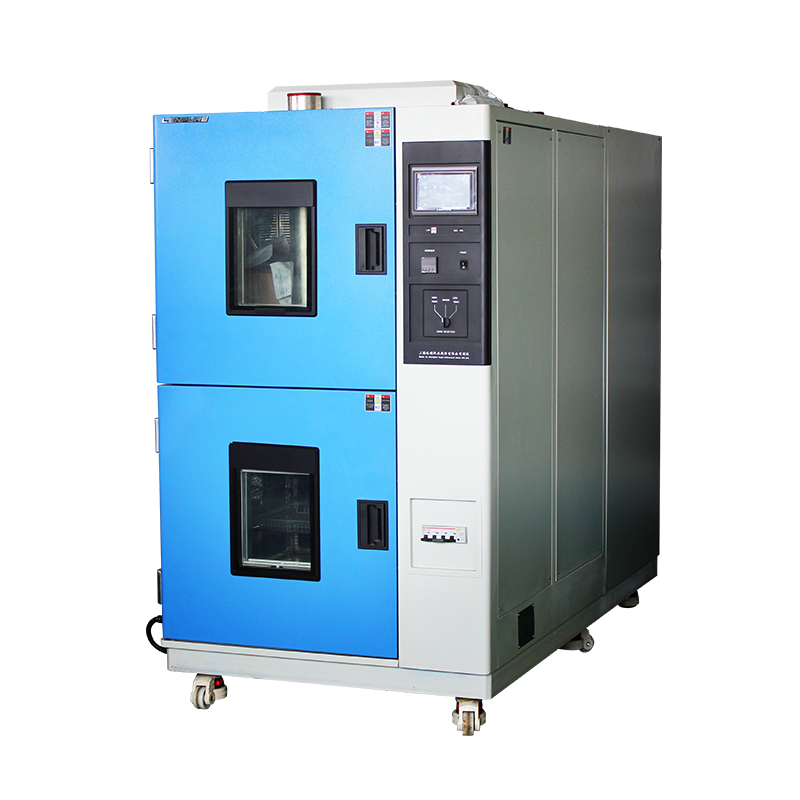
When test samples are exposed to low temperatures in a thermal shock test chamber, they may suffer certain adverse effects. This is because the physical properties of the materials can change under extreme cold, potentially leading to performance degradation. So, what specific impacts can occur?
Effects of Low Temperature in Thermal Shock Test Chambers
Material Contraction & Brittleness
Different materials exhibit varying degrees of thermal contraction at low temperatures.
Moving parts may become stiff or even jam due to dimensional changes.
Metals (e.g., steel) and plastics may become brittle, increasing the risk of cracks or fractures.
Rubber-like materials lose elasticity and harden, reducing flexibility.
Impact on Electronics & Lubrication
Electrolytes (e.g., in capacitors or batteries) may freeze, preventing proper operation.
Lubricants thicken, reducing flow efficiency and increasing friction between moving parts.
In extreme cases, lubricants may even solidify into ice, affecting startup performance and causing mechanical failures.
Degradation of Insulation & Sealing Materials
Low temperatures accelerate the aging and deterioration of polymer-based and insulating materials.
Sealants and adhesives may lose effectiveness, leading to leakage or structural failure.
The lifespan of components may be significantly shortened.
Measurement Errors & Functional Impairments
Electronic devices may experience startup failures or inaccurate readings due to cold-induced resistance changes.
Thermal contraction can cause misalignment in precision instruments, affecting test reliability.
Recommendations to Minimize Negative Effects
Avoid prolonged exposure to extreme low temperatures in the test chamber.
Ensure proper thermal cycling rates to prevent sudden stress on materials.
Select appropriate test conditions based on material properties to avoid irreversible damage.
Since most materials exhibit thermal expansion and contraction, high temperatures can also impact test samples—this will be discussed in a future article.
For more technical insights, visit Linpin Instruments’ official website or contact our experts for professional advice.







Copyright © 2025 Shanghai Linpin Instrument Co., Ltd Copyright
| ICP Number:Shanghai ICP Record No. 12029585-7
| Sitemap






 EN
EN
 中文
中文 Pусский
 Tiếng Việt
 ภาษาไทย
 پاکستانی زبان