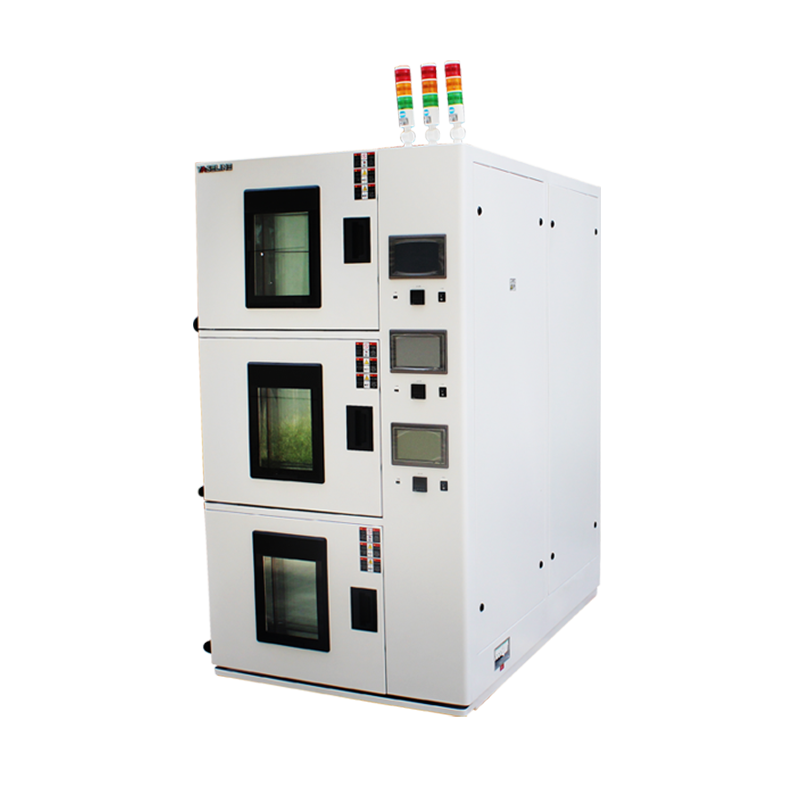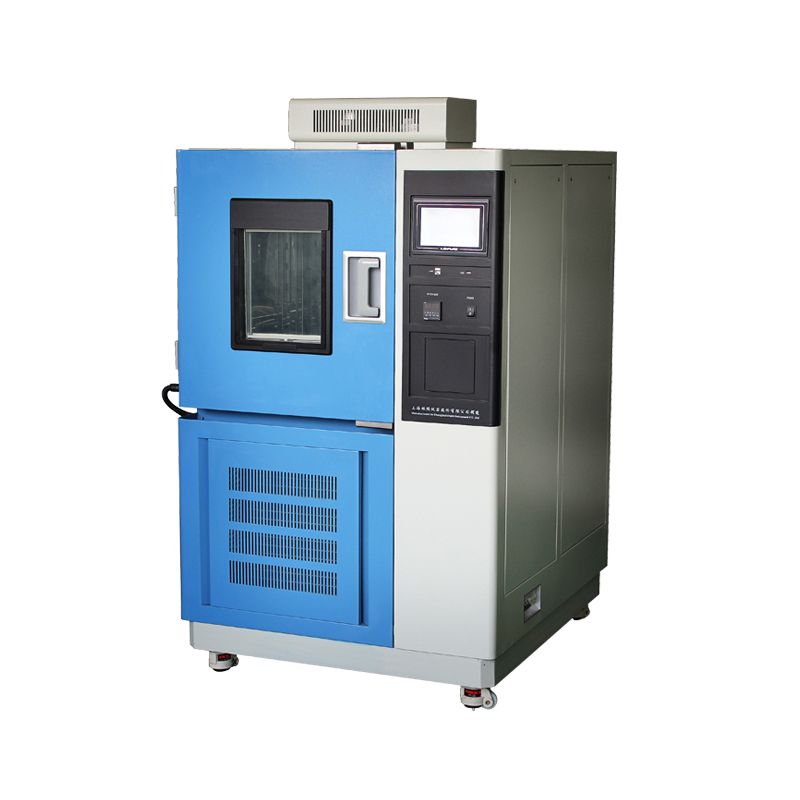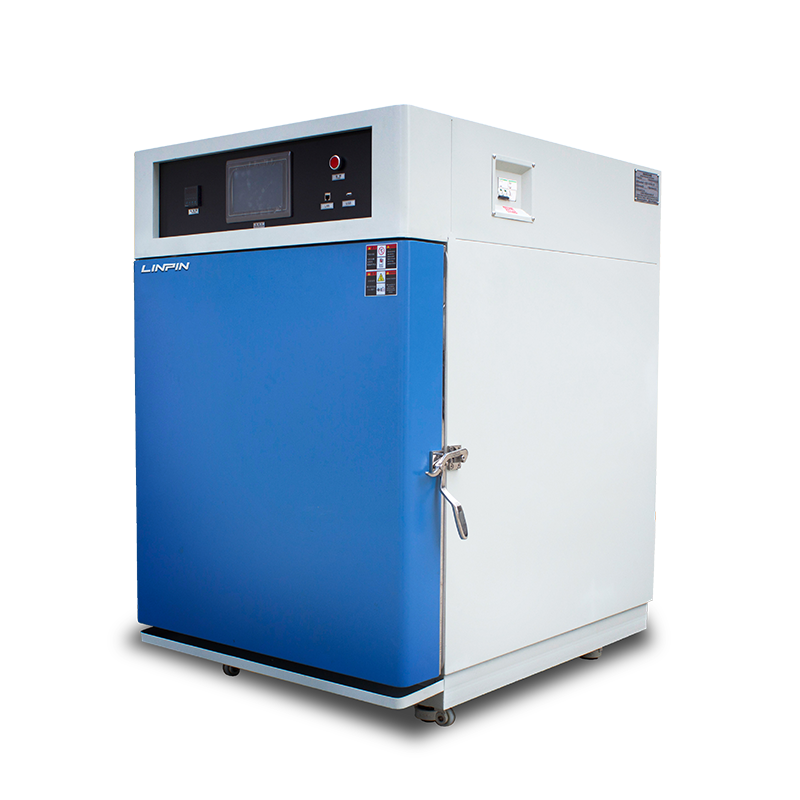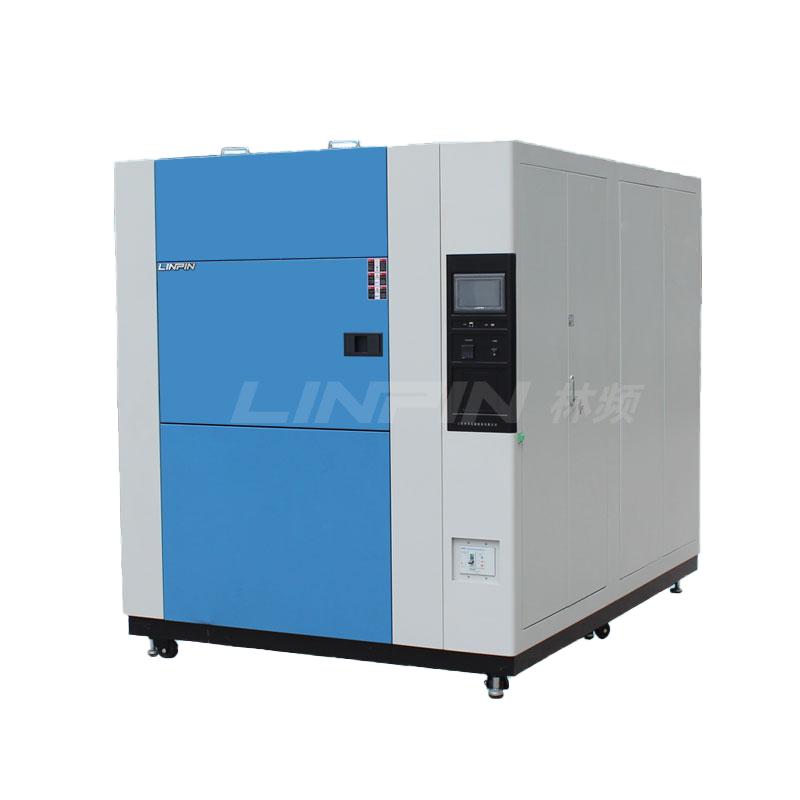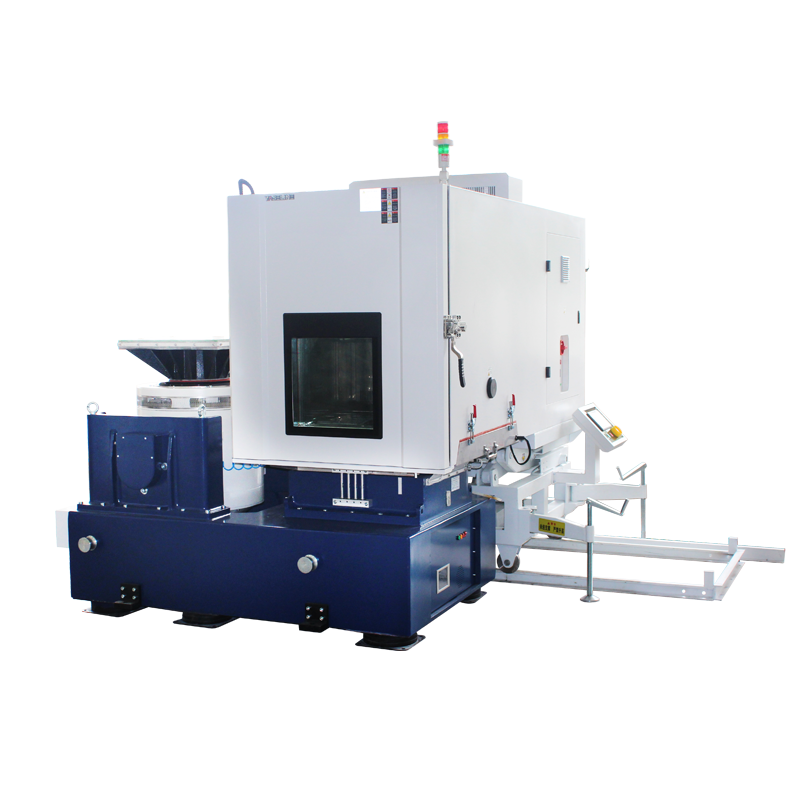




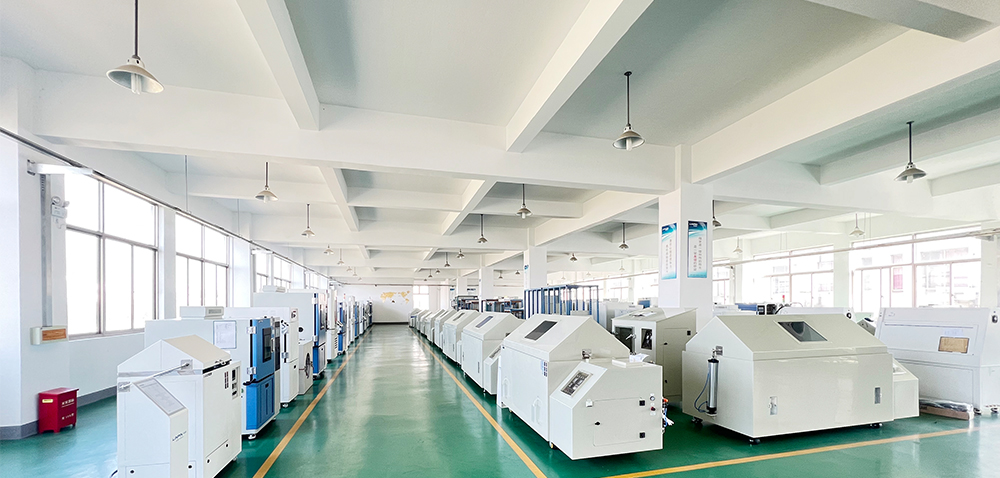


Previously, we introduced some common problems with high and low temperature test chambers. Today, we will discuss the issue of slow cooling in the test equipment, which may be caused by malfunctions in the refrigeration system. What exactly leads to this problem? Let’s explore the reasons together with the manufacturer of high and low temperature test chambers.
Inadequate Cleaning of the Test Chamber
If the equipment has not been used for a long time and regular cleaning has been neglected, dust may accumulate on the condenser. Therefore, it is necessary to check whether there is dust on this component and clean it promptly if needed.
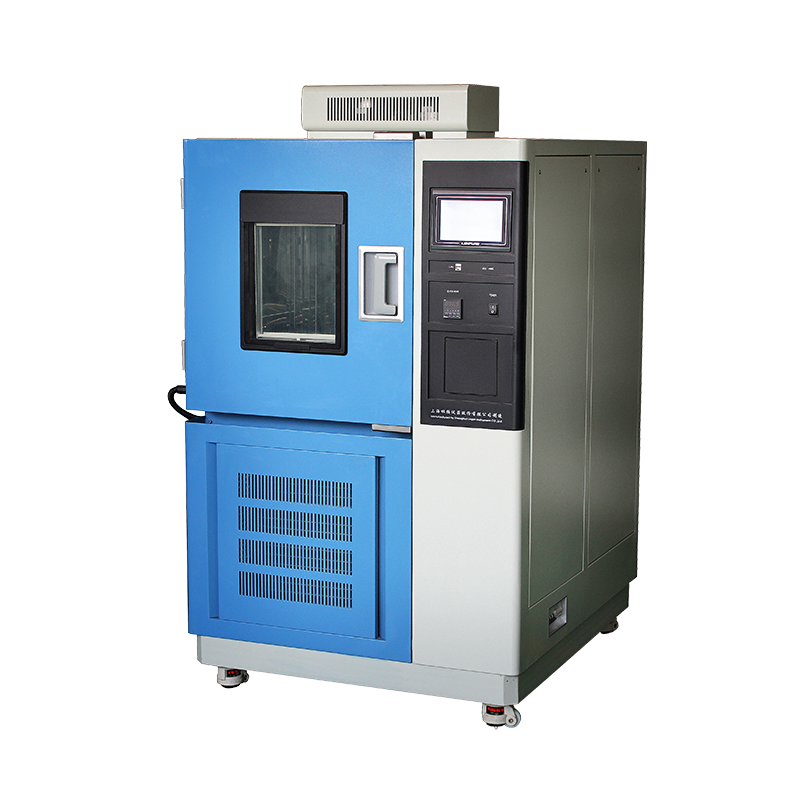
Impact of Surrounding Environmental Factors on the Refrigeration System
Avoid placing other equipment near the test chamber, and ensure it is not positioned too close to walls, as this may affect the cooling speed. Maintain a clearance of at least 50 cm around the heat dissipation area. Additionally, the ambient temperature around the equipment also influences the cooling rate. If the surrounding temperature is too high, the cooling process may slow down. Therefore, check the ambient temperature and keep the equipment’s insulation within the specified range.
Refrigeration System Operation
The cooling process relies on the refrigeration system, which includes an evaporator inside the chamber. This reduces the high-humidity air inside the chamber, thereby lowering the temperature. The humidification system works by heating water into steam through a heater, which is then used to increase humidity inside the chamber.
Refrigeration System Malfunction
If the refrigeration system fails, it can also lead to slow cooling. In such cases, professional after-sales technicians should be contacted to diagnose and repair the issue.
If the test equipment exhibits slow cooling, remain calm and identify the root cause. Address the issue promptly to avoid affecting test results. The above are the common reasons for slow cooling in high and low temperature test chambers.
For more information on environmental testing equipment, please visit our website for updates.
「tokens: 433, speed: 15.50 tokens/s」






Copyright © 2025 Shanghai Linpin Instrument Co., Ltd Copyright
| ICP Number:Shanghai ICP Record No. 12029585-7
| Sitemap






 EN
EN
 中文
中文 Pусский
 Tiếng Việt
 ภาษาไทย
 پاکستانی زبان