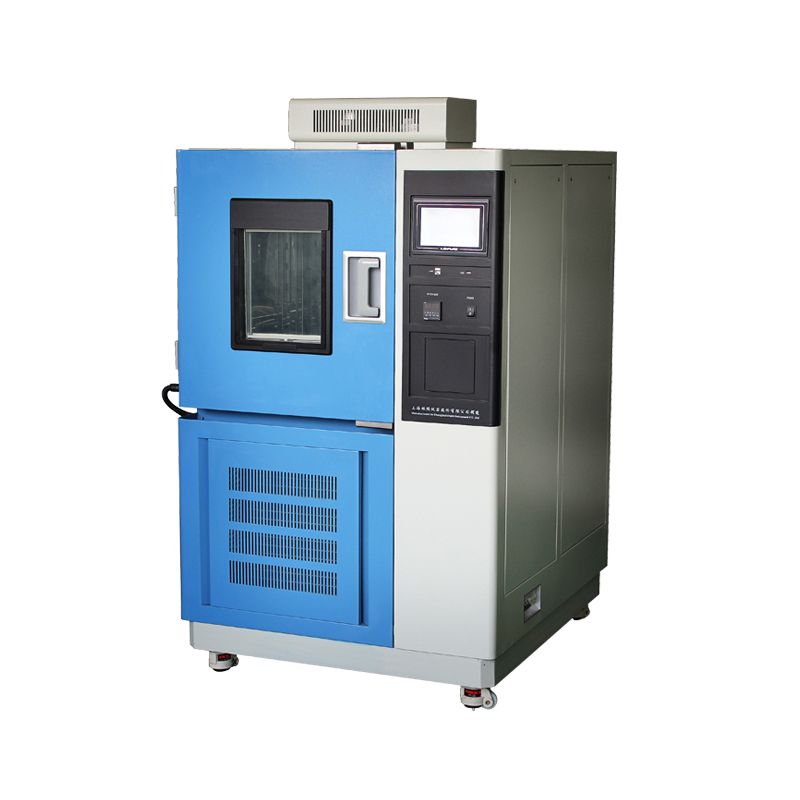




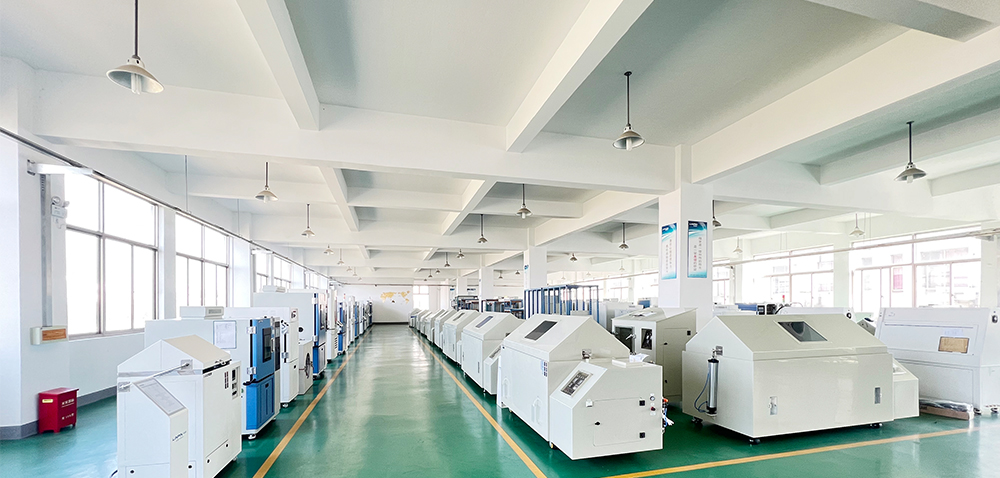


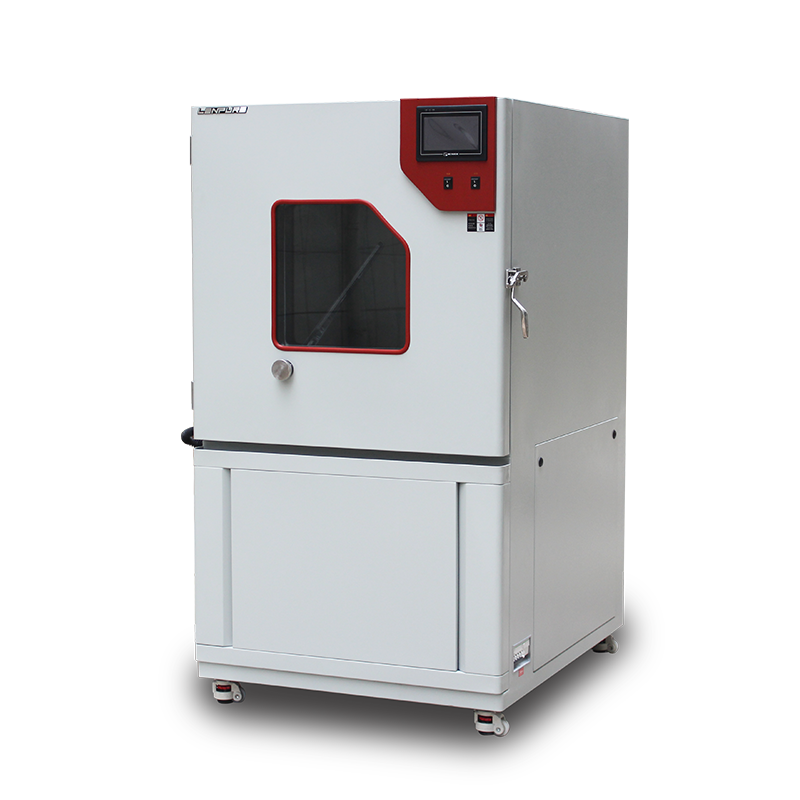
Some customers report that their sand and dust test chambers are not operating efficiently and have reached a bottleneck. They want to improve the equipment’s efficiency and reduce energy consumption but are unsure where to start. What could be causing this efficiency bottleneck, and where might the problem lie?
Possible Causes and Solutions:
Outdated Technology
The efficiency of a sand and dust test chamber is directly related to the technology it uses. Advanced technologies can significantly enhance efficiency, reduce energy consumption, and stabilize test accuracy. If the equipment uses outdated technology, it may continue to operate inefficiently. Customers should consider whether their current test chamber employs high-efficiency technologies.
Component Damage or Aging
Long-term use of the test chamber can lead to component wear and aging, which may affect its overall efficiency. Operators should regularly inspect and maintain the equipment to identify any aging components. Timely repair or replacement of these parts can help restore efficiency and prevent the equipment from remaining in a bottleneck state.
Second-hand Equipment Issues
Some customers opt for second-hand test chambers to save on purchase costs. However, these devices may be nearing obsolescence and lack the technological and component advantages of newer models. This can result in lower precision and efficiency during use. To avoid such issues, customers should consider purchasing new equipment.
Inefficient Design or Operation
The internal design of the test chamber, such as the air ducts and dust circulation system, can also impact efficiency. For example, if the wind speed, dust concentration, or test conditions are set too rigorously, the test cycle may be prolonged. Additionally, improper operation or settings by the user can lead to inefficiencies.
Recommendations:
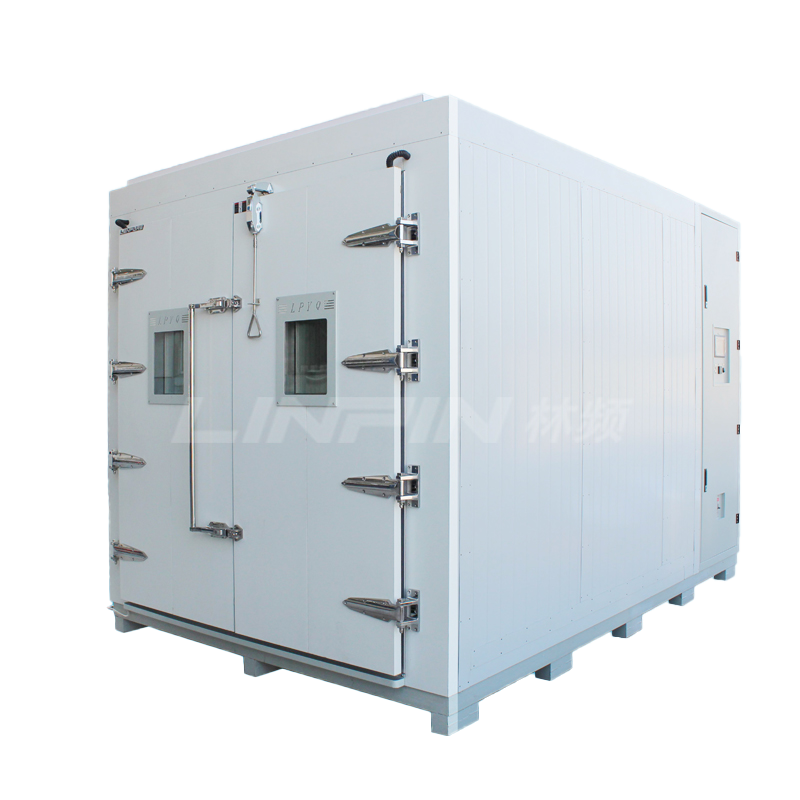
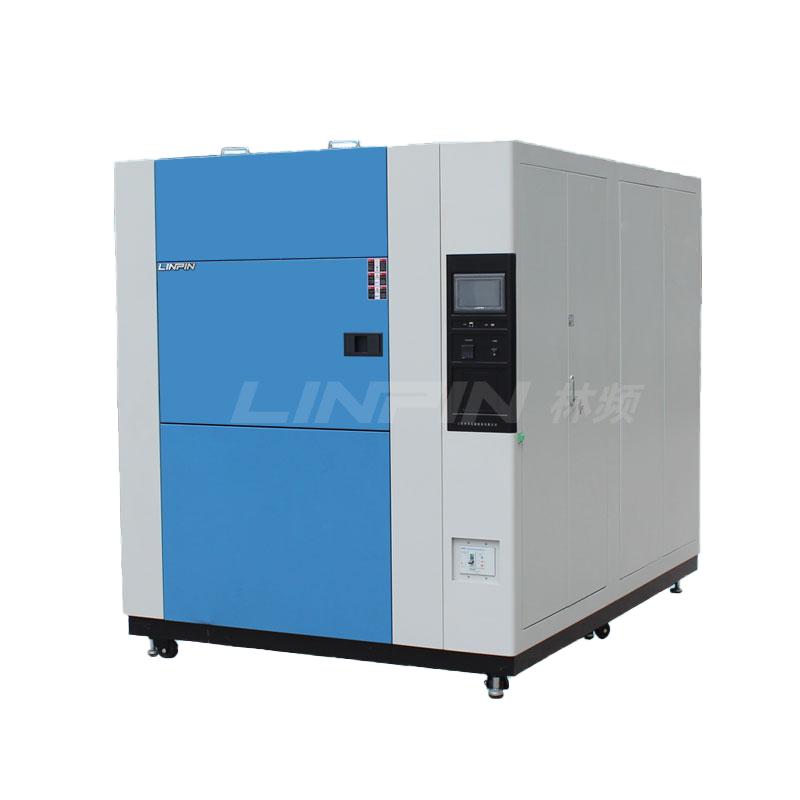
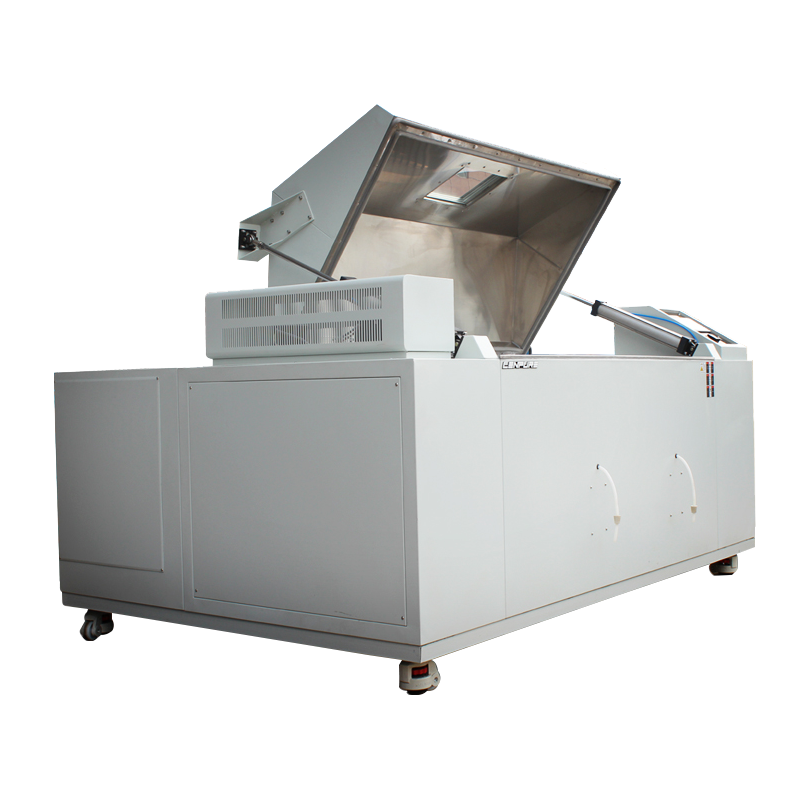
To avoid efficiency bottlenecks in sand and dust test chambers, customers should carefully evaluate the equipment’s technology and components during the purchasing process and ensure regular maintenance. Linpin Instruments offers a new generation of sand and dust test chambers that incorporate advanced technologies developed by our R&D team. These devices are designed for high precision, efficiency, and energy savings. We welcome customers to visit our factory for selection and consultation.




Copyright © 2025 Shanghai Linpin Instrument Co., Ltd Copyright
| ICP Number:Shanghai ICP Record No. 12029585-7
| Sitemap






 EN
EN
 中文
中文 Pусский
 Tiếng Việt
 ภาษาไทย
 پاکستانی زبان