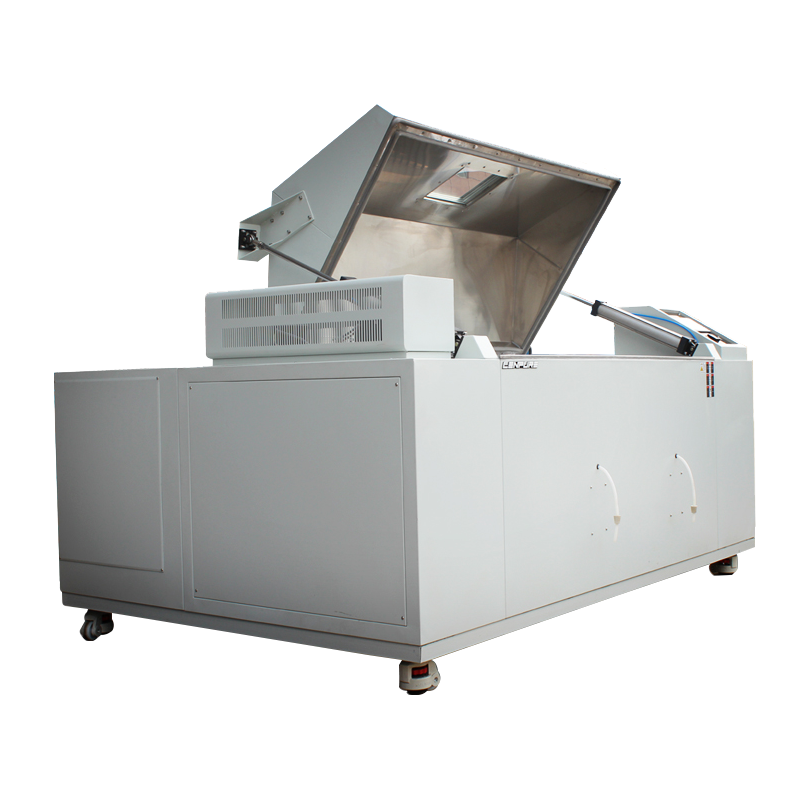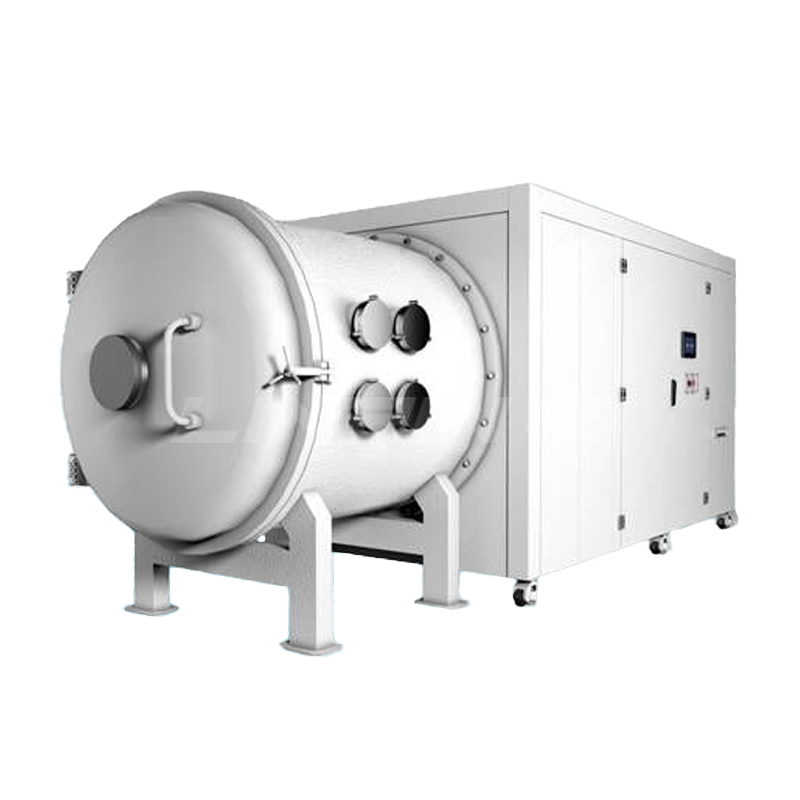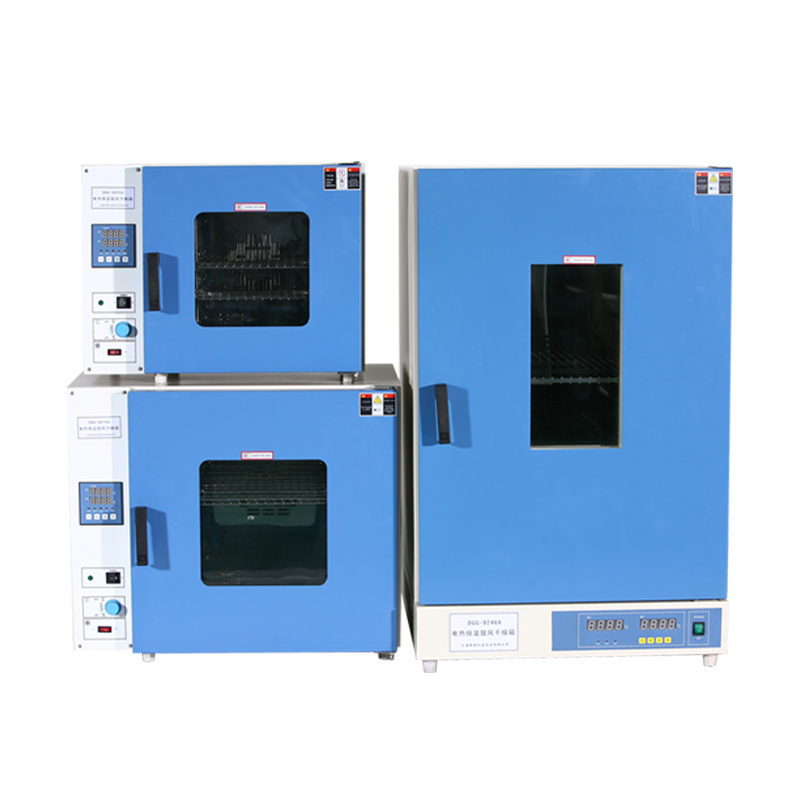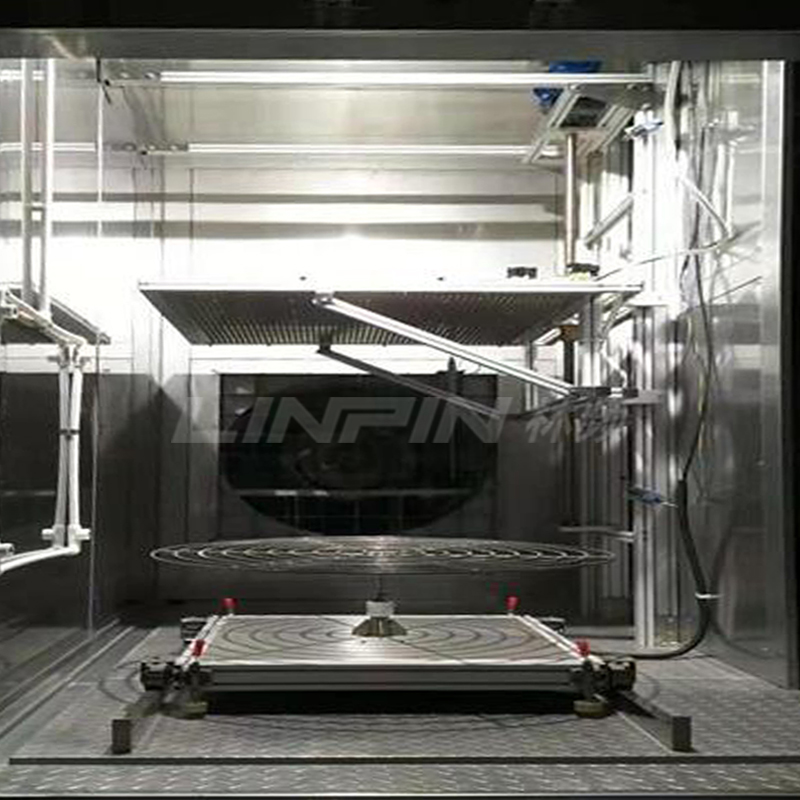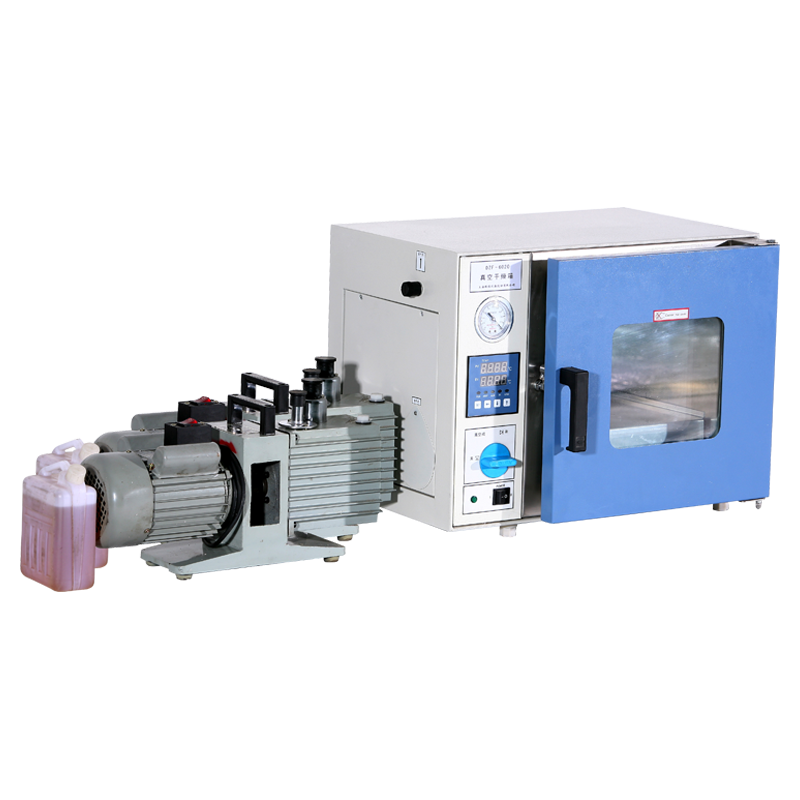




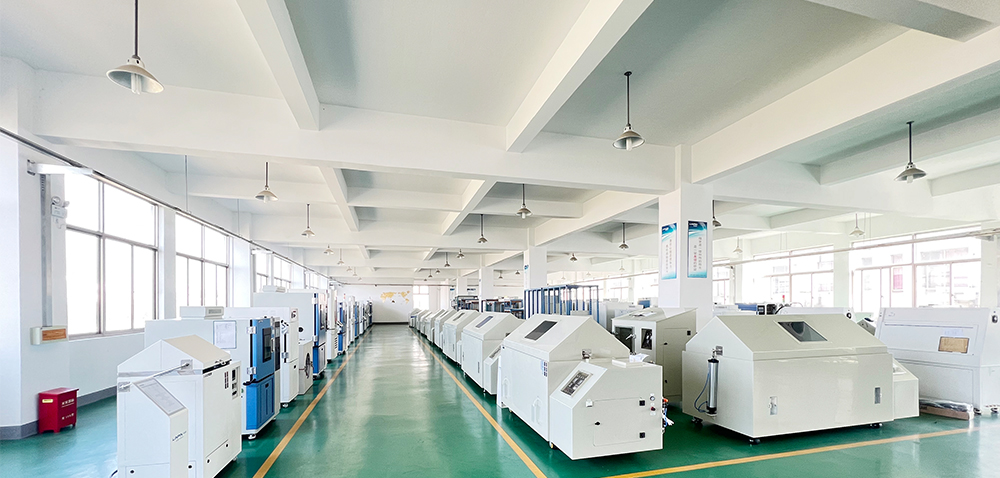


High and low temperature test chambers simulate high or low temperatures to test the reliability of product performance. They are common testing devices widely used in industrial sectors, scientific research institutions, aerospace, and other fields. By cycling through high temperatures, low temperatures, and humidity, these chambers can realistically simulate extreme weather conditions to obtain precise test results. Let’s explore how high and low temperature test chambers regulate temperature and humidity and the principles behind their operation.
Working Principle of High and Low Temperature Test Chambers
Heating Process
The heating process in a high and low temperature test chamber involves electric heating wires in the heating system. When these wires are electrified, they generate heat. The air circulation system then distributes this heat through circulating air into the working chamber to achieve the desired temperature increase. This heating method is fast and produces significant heat, which is why it is widely used. Some users have high requirements for the rate of temperature increase and the high-temperature range. Based on this principle, additional heating wires can be installed, and the control system can be adjusted accordingly to meet these requirements.
Cooling Process
The core component of the cooling process is the compressor. The compressor compresses low-temperature, low-pressure gas into high-temperature, high-pressure gas. This gas then passes through the condenser, where it is converted into a liquid. The evaporator subsequently vaporizes this liquid, turning it back into low-temperature, low-pressure gas, which is then returned to the compressor. This cycle continuously removes a large amount of heat, ultimately achieving cooling. The heat generated by the compressor’s operation is dissipated by a fan. The device often includes an energy control unit to manage the cooling capacity and energy consumption, aiming to achieve the most suitable temperature with the least energy, thereby reducing costs.
Humidity Control
In addition to heating and cooling, the device also needs to control humidity through its humidity control system. This system can either humidify or dehumidify to meet the necessary humidity levels during operation.
Conclusion
The above outlines the basic working principles of high and low temperature test chambers. Understanding these principles allows us to gain a deeper insight into the device, making what appears to be a complex test chamber simpler and clearer. This knowledge provides a theoretical basis for future practical operations and facilitates the achievement of test objectives.

25.03





Copyright © 2025 Shanghai Linpin Instrument Co., Ltd Copyright
| ICP Number:Shanghai ICP Record No. 12029585-7
| Sitemap






 EN
EN
 中文
中文 Pусский
 Tiếng Việt
 ภาษาไทย
 پاکستانی زبان