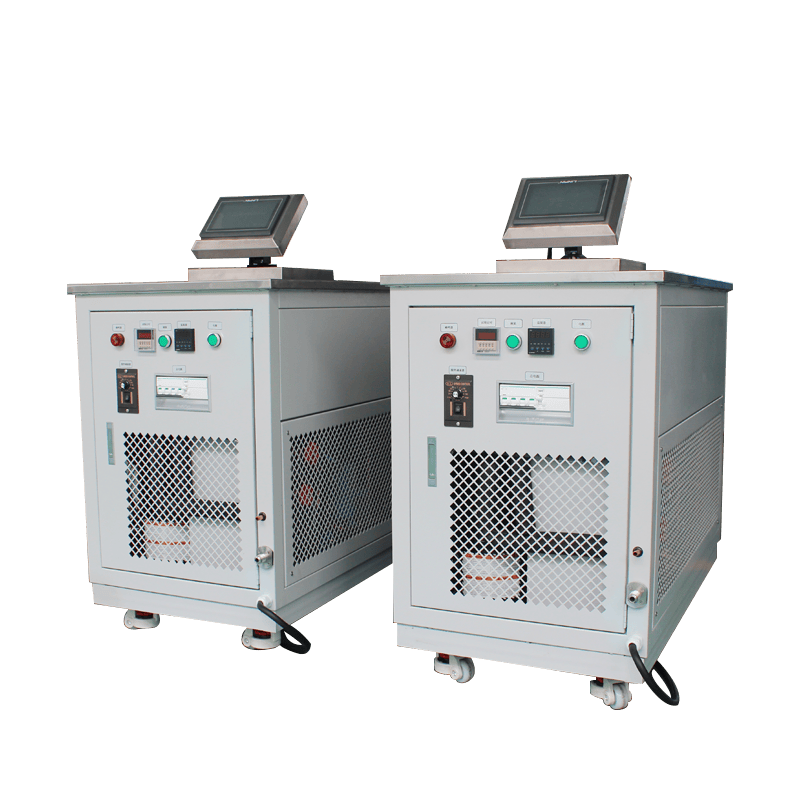




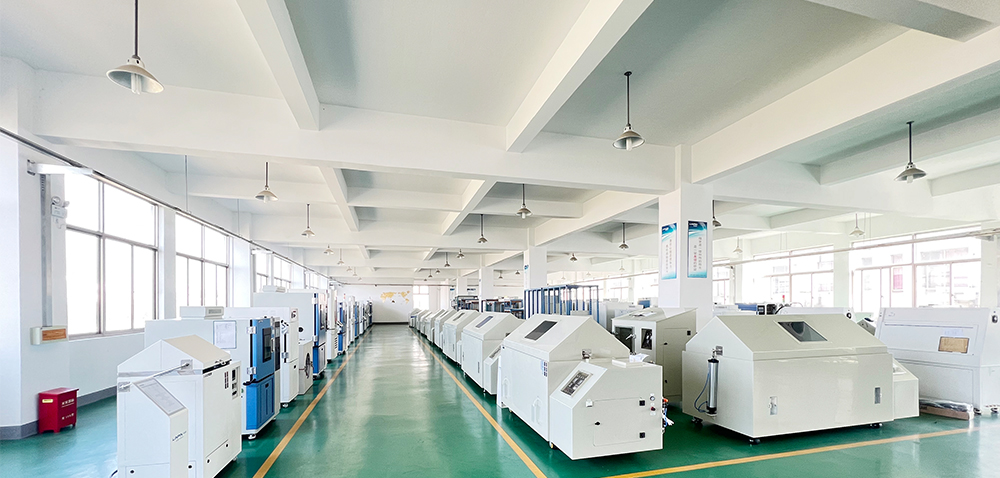


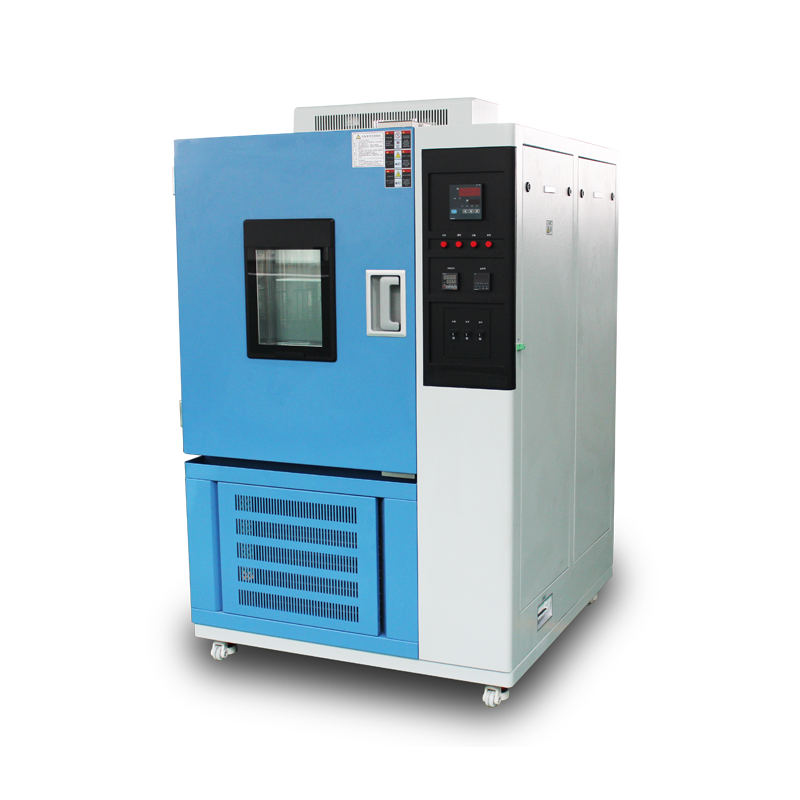
Following our previous discussion on the effects of high-temperature environmental testing, this paper systematically summarizes the typical property changes that occur in test specimens within low-temperature test chambers (hereinafter referred to as “the equipment”). The findings serve as technical guidance for test-plan formulation, equipment selection, and failure-mechanism analysis. The temperature range addressed is the conventional low-temperature span of −70 °C to 0 °C; specialized applications may extend to below −90 °C.
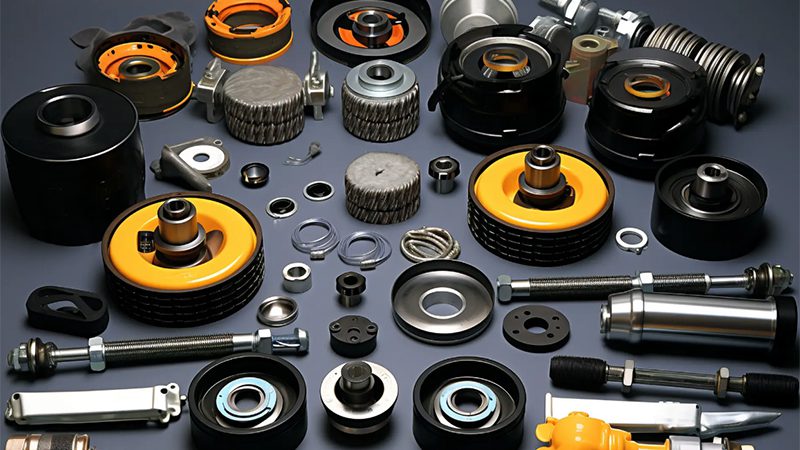
Mechanical Property Changes
1.1 Embrittlement
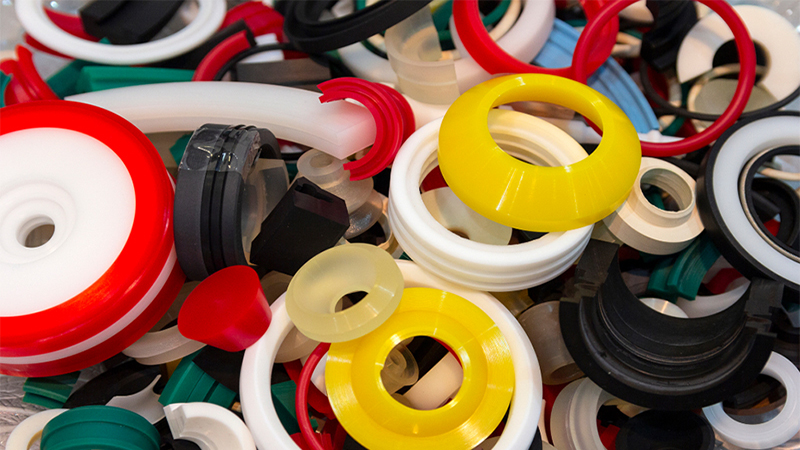
Most amorphous or semi-crystalline polymers (e.g., ABS, PC, PA) experience an upward shift in glass-transition temperature (Tg) under low temperature. Segmental motion becomes frozen, leading to increased hardness, reduced impact toughness, and a propensity for brittle fracture.
1.2 Crack Initiation in Metals
Body-centered-cubic (BCC) alloys (e.g., carbon steels, certain aluminum alloys) exhibit increased dislocation-slip resistance at low temperatures, promoting cleavage fracture. Residual stresses or geometric discontinuities can initiate micro-cracks that propagate rapidly, resulting in instantaneous failure.
1.3 Dimensional Stability Differences
Significant differences in linear thermal-expansion coefficients among materials generate additional assembly stresses during rapid temperature drops (≥5 °C min⁻¹), causing seizure, loss of clearance, or sealing failure.
Surface and Interface Characteristics
2.1 Degradation of Electrostatic Protection
High-surface-resistivity materials such as glass and ceramics show decreased surface resistance in low-temperature environments, weakening electrostatic-dissipation capability and posing a latent threat to electrostatic-sensitive devices (ESDS).
2.2 Frost/Ice Formation
Moisture contained within or absorbed by hygroscopic specimens crystallizes below 0 °C. Ice expansion (≈9 %) can induce micro-cracking, delamination, or package rupture.
Lubrication and Kinematic Mechanisms
Low temperatures cause the viscosity index of common mineral oils and synthetic greases to rise sharply, sometimes leading to solidification. Consequences include:
• Increased breakaway torque and motor overload;
• Accelerated wear of friction pairs and shortened service life;
• Delayed or arrested servo-mechanism response.
Electrical Performance Drift
4.1 Resistive and Capacitive Components
Temperature coefficients of metal-film resistors and ceramic capacitors become non-linear at low temperatures, resulting in increased resistance and decreased capacitance, thereby affecting filtering, coupling, and timing accuracy.
4.2 Semiconductor Devices
Carrier mobility rises as temperature falls, but carrier concentration decreases more rapidly. This leads to threshold-voltage drift, transconductance reduction, slower digital-circuit speeds, and zero-point drift in analog circuits.
Combustion Characteristics
Low temperature suppresses the volatilization and oxidation rates of combustibles, lowering flame-propagation speed and apparently improving flame retardancy. However, material embrittlement may generate secondary fragment splash if ignition occurs.
Equipment Selection Recommendations
Temperature Range: Select a range in accordance with material specifications or industry standards, reserving a 10 % safety margin.
Thermal Ramp Rate: For fully assembled units with assembly tolerances, a ramp rate ≤3 °C min⁻¹ is recommended to avoid thermal shock.
Humidity Control: Provide dry-air or nitrogen-purge ports to prevent frost formation.
Data Logging: Equip the chamber with multi-point temperature and electrical-parameter monitoring to ensure full traceability.
Conclusion
As a core instrument for verifying the extreme-environment adaptability of materials and devices, the low-temperature test chamber’s temperature indicators, uniformity, and ramp rates directly influence test accuracy and repeatability. The six categories of changes summarized herein can serve as a reference for drafting test protocols, assessing failure risk, and optimizing product design.
Our company has long been dedicated to the R&D and manufacture of environmental reliability test equipment. The low-temperature chambers we produce are widely used in electronics, military, automotive, communications, aerospace, and other sectors. They feature high efficiency, low energy consumption, excellent temperature uniformity, and precise control. Customers are cordially invited to visit our facility for on-site inspection, technical exchange, and prototype testing.





Copyright © 2025 Shanghai Linpin Instrument Co., Ltd Copyright
| ICP Number:Shanghai ICP Record No. 12029585-7
| Sitemap






 EN
EN
 中文
中文 Pусский
 Tiếng Việt
 ภาษาไทย
 پاکستانی زبان