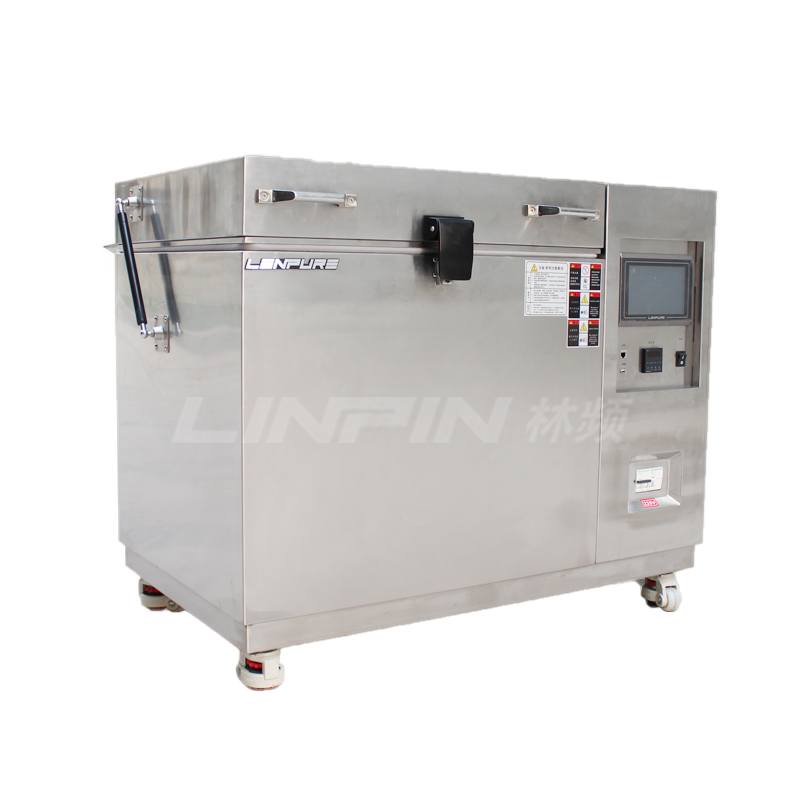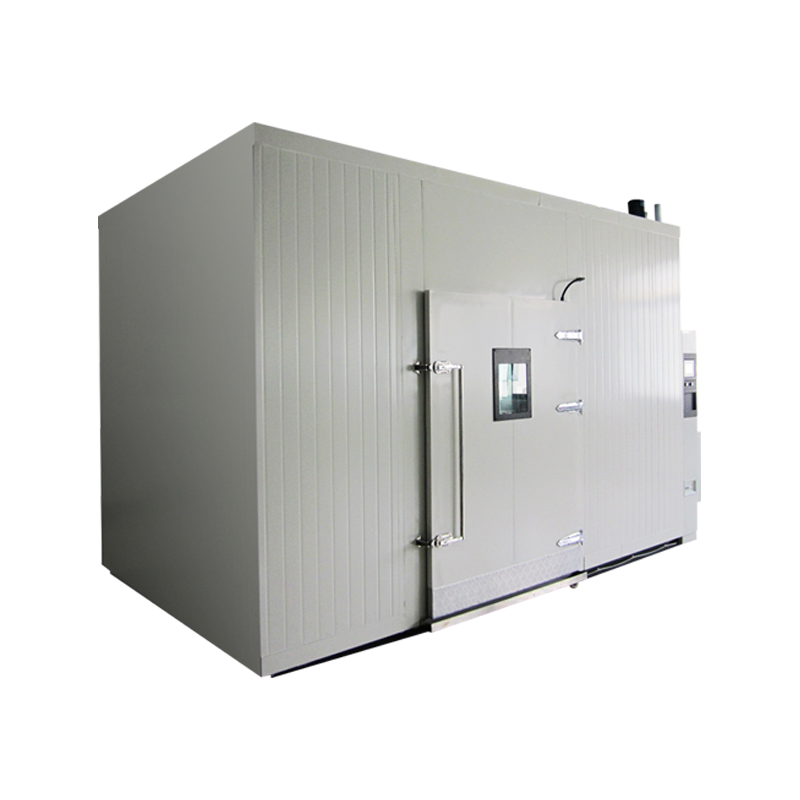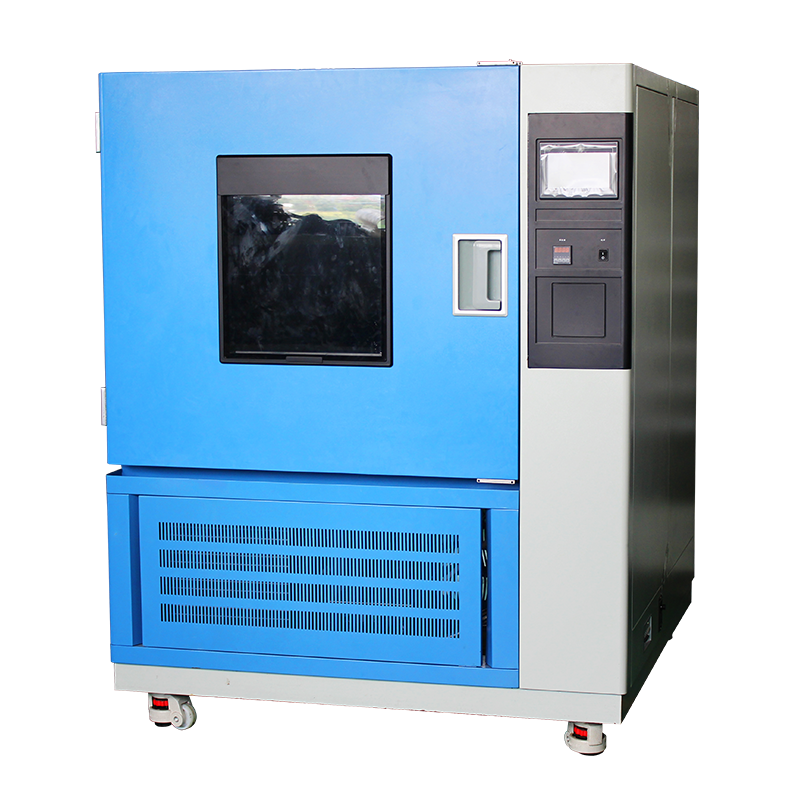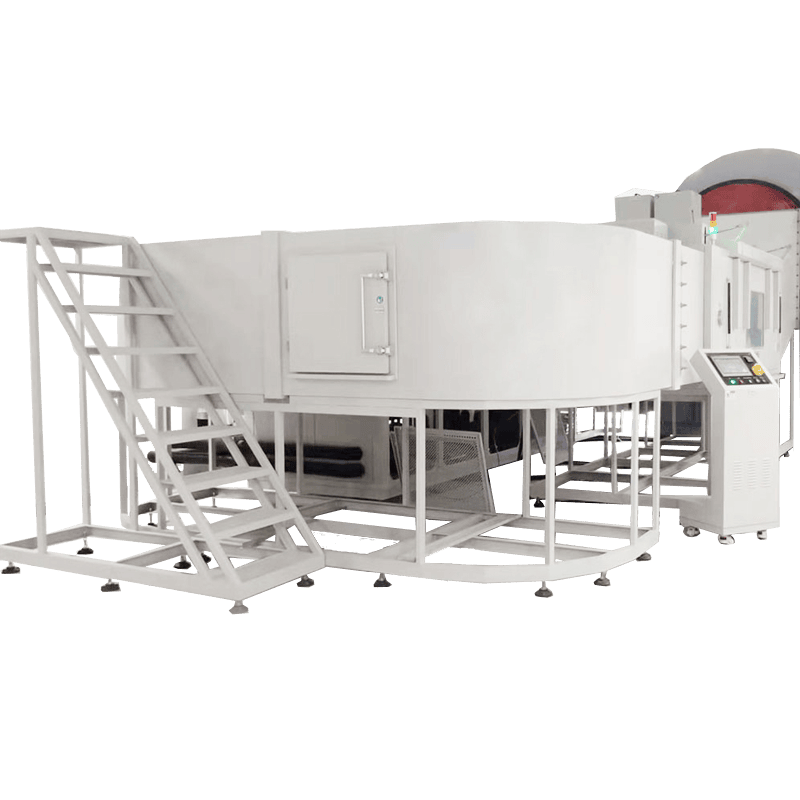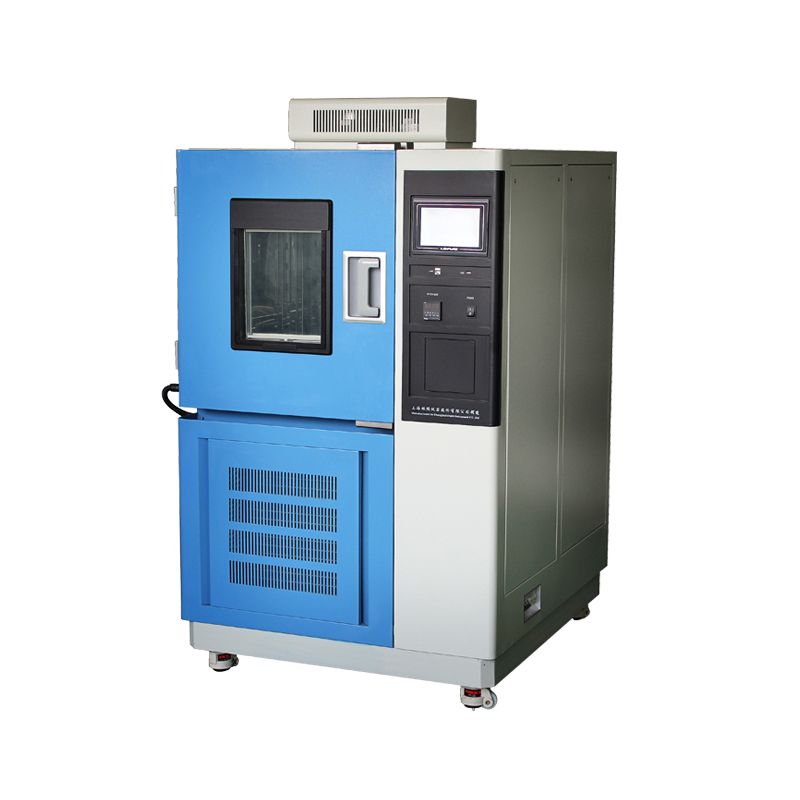




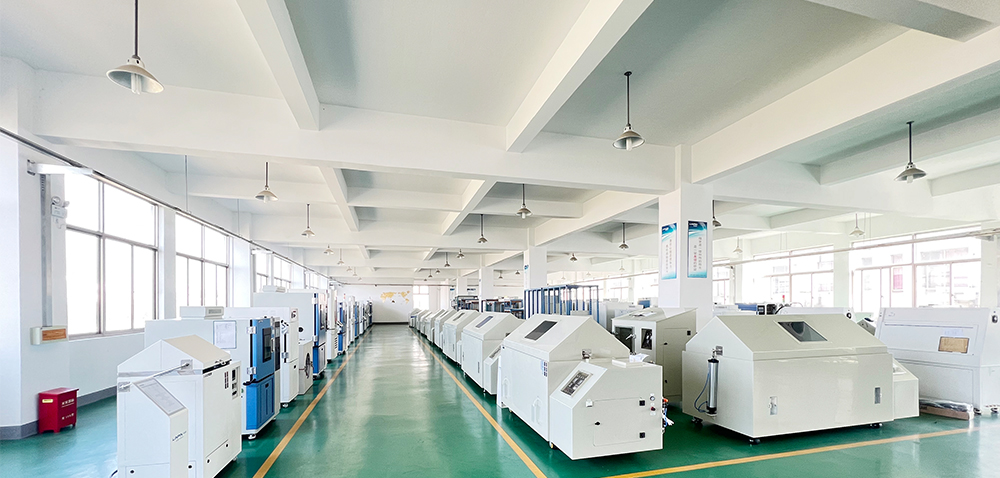


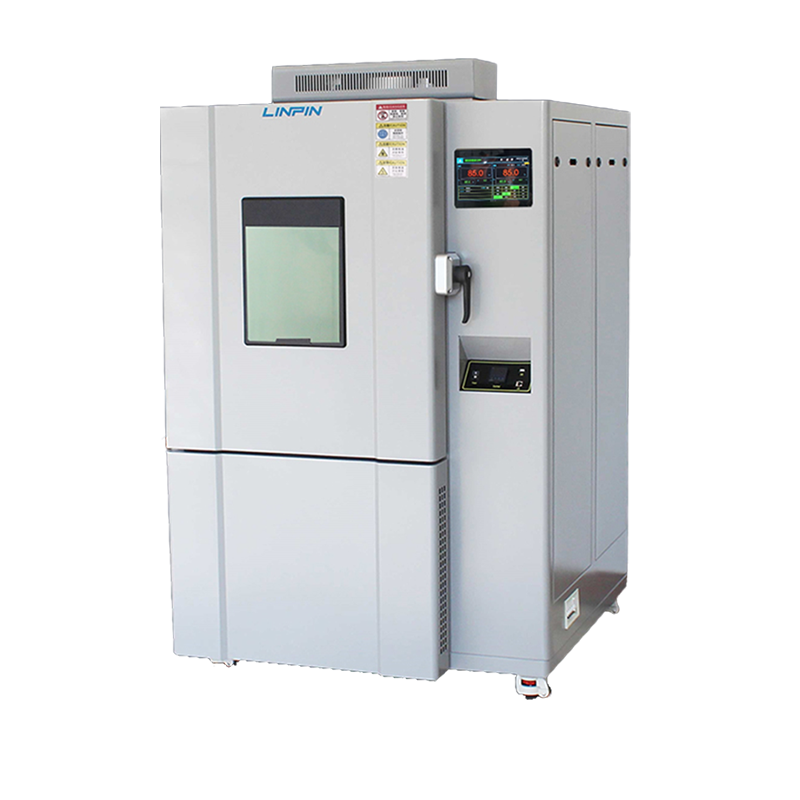
As a device designed to simulate temperature and humidity variations for quality and adaptability testing of products or materials, the high and low temperature alternating humidity test chamber can also be used for material stress screening and evaluating various resistances, such as heat resistance, moisture resistance, and cold resistance. This testing equipment features a long service life, high safety, environmental friendliness, energy efficiency, and strong reliability, meeting consumer testing needs in R&D, product acceptance, and quality inspection.
Common Humidity Issues and Solutions
During humidity testing, if the humidification system fails to operate, the actual humidity may deviate significantly from the target humidity, while the temperature difference remains minimal. If the humidity fails to reach the desired level, the following aspects should be checked:
Dry Wet-Bulb Sensor Gauze
Insufficient humidity may be caused by a lack of moisture on the wet-bulb sensor gauze.
Check if the gauze is properly placed and saturated with water.
Low Water Level in the Water Tank
The water level in the tank is automatically controlled by a water level controller.
If the tank is low on water, the humidity will not reach the target value.
Inspect the water supply system to ensure it is functioning correctly.
Faulty Water Level Controller
If the water level controller malfunctions or the supply system fails to deliver water, humidity control will be affected.
Aged or Hardened Wet-Bulb Gauze
If the gauze has been used for too long, it may lose its ability to absorb water effectively.
Replace the gauze with a new one to restore proper humidity control.
⚠ Note:
The test chamber requires high-purity water (distilled or deionized).
Using tap water can cause the gauze to harden over time, reducing its water absorption capacity.
Troubleshooting Steps
Check the wet-bulb gauze – Replace if hardened or dry.
Inspect the water tank – Ensure sufficient water supply.
Verify the water level controller – Confirm proper operation.
Test the water supply system – Check for blockages or malfunctions.
If the issue persists after these checks, contact a professional testing service provider. Shanghai Linpin offers comprehensive technical support to ensure your test chamber operates optimally.
For further assistance, feel free to consult our technical team! 🚀

25.05




Copyright © 2025 Shanghai Linpin Instrument Co., Ltd Copyright
| ICP Number:Shanghai ICP Record No. 12029585-7
| Sitemap






 EN
EN
 中文
中文 Pусский
 Tiếng Việt
 ภาษาไทย
 پاکستانی زبان