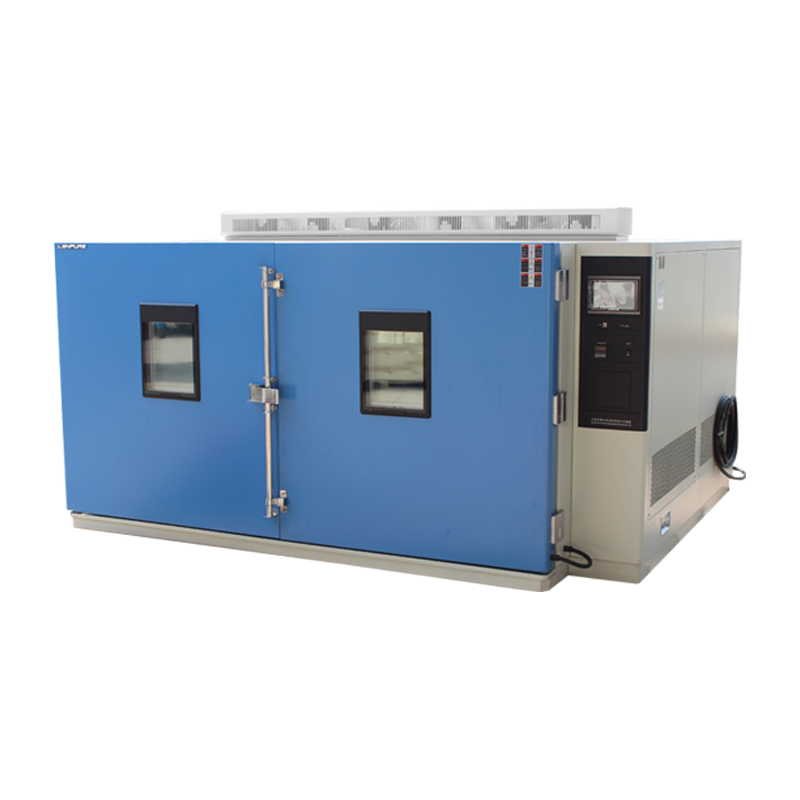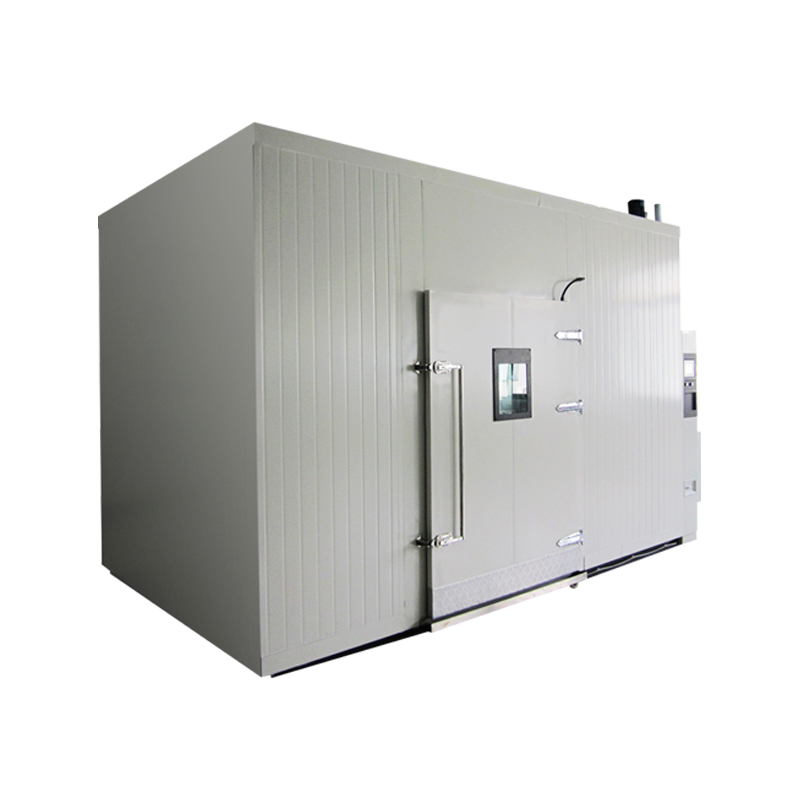






Today, the editor of Linpin Instruments will guide us in troubleshooting the alarm of the high – low temperature test chamber.
The alarm might be due to issues in the centrifugal fan section, such as over – temperature or over – current. For instance, an overheated magnetic coil or excessive current beyond the control value can trigger an alarm and shutdown.
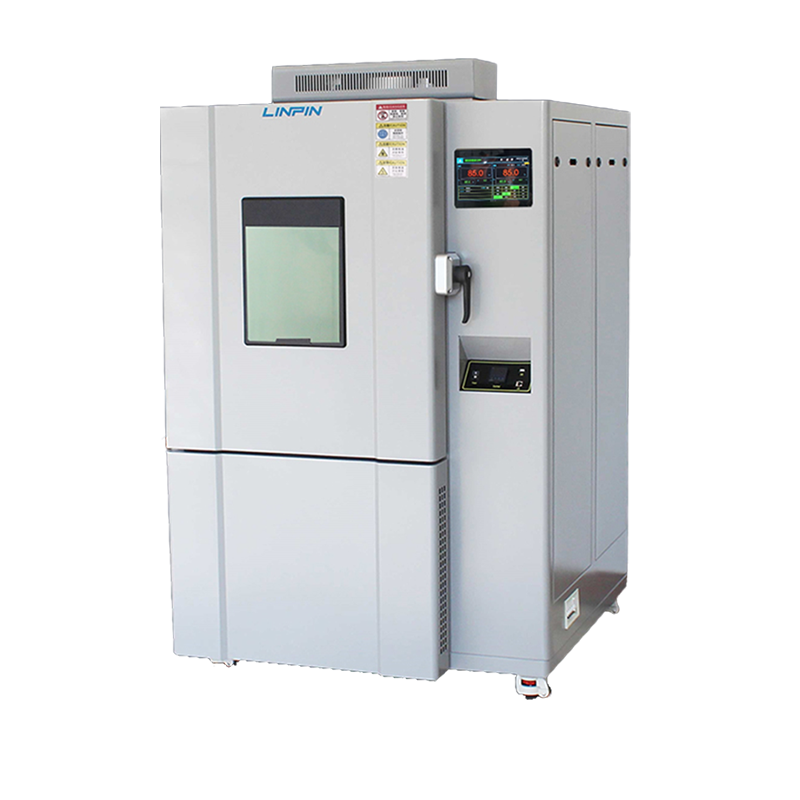
Temperature system problems could also be the culprit, like specimen overheating protection or cabinet overheating. If the specimen area’s temperature exceeds the control board’s set protection temperature, or the cabinet’s temperature goes beyond the control panel’s setting, the chamber will shut down and alarm.
The refrigeration machine might be another source of the alarm. Scenarios include an overheated magnetic coil of the refrigeration compressor, abnormal power supply, excessively high refrigerant working pressure, low cooling water level in the circulation system, or power phase – break/phase – sequence issues. For example, an overheated magnetic coil or abnormal power supply can cause an over – temperature alarm and shutdown, while high refrigerant pressure results in an over – pressure alarm.
When the alarm sounds, promptly investigate the cause. If the problem persists after initial handling, contact the manufacturer’s after – sales personnel. Linpin Instruments, as a professional test chamber manufacturer, offers technical support. Call 400 – 066 – 2888 for technical consultation.


25.03



Copyright © 2025 Shanghai Linpin Instrument Co., Ltd Copyright
| ICP Number:Shanghai ICP Record No. 12029585-7
| Sitemap






 EN
EN
 中文
中文 Pусский
 Tiếng Việt
 ภาษาไทย
 پاکستانی زبان